
🌈💥 Why This Matters for Markets
A coalition of major lenders is evaluating reserve-backed, G7-pegged stablecoins to modernize cross-border payments and institutional settlement. The exploratory effort underscores rising demand for regulated, on-chain money that can interoperate with legacy rails.
🏦🤝 Who’s in the Consortium
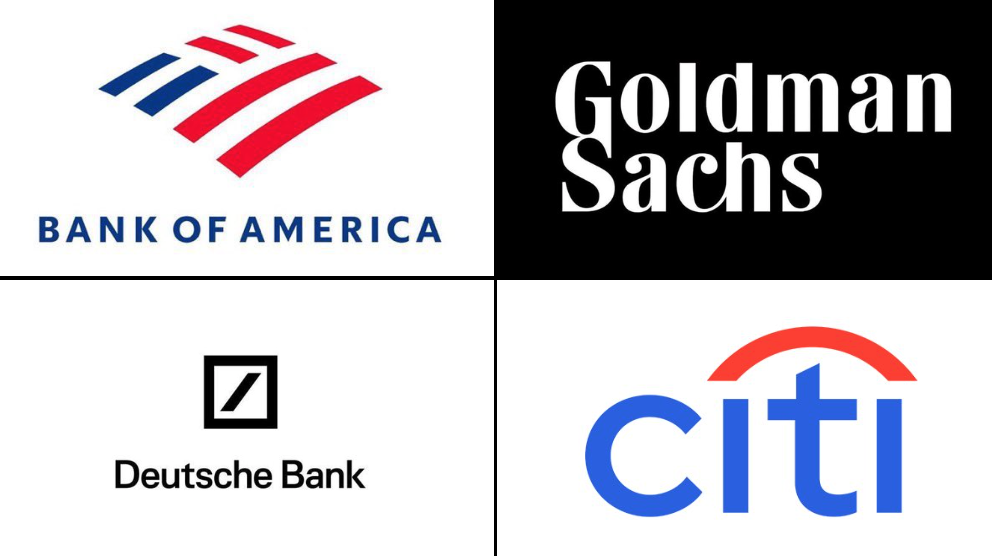
Global institutions—including marquee U.S. and European banks—are studying whether jointly issued tokens, backed 1:1 by high-quality reserves, can satisfy supervisory expectations while improving liquidity and competition in digital finance.
🔗🧾 How a Bank-Issued Stablecoin Would Work
Early scoping centers on issuance and redemption via participating banks, transparent reserve attestations, and interoperability across approved public chains. The model aims to provide institutions a compliant settlement asset denominated in dollars, euros, pounds, and other G7 currencies.
🌍🇪🇺 Europe’s Parallel Euro Stablecoin Push
In parallel, a group of European lenders is pursuing a MiCA-aligned euro stablecoin, signaling a regional race to build regulated digital cash rails that can plug into payment service providers and market infrastructures.

📈💵 Market Context & Dollar Demand
Stablecoins have become a core liquidity tool for crypto and an emerging conduit for global currency demand. Proponents argue bank-grade tokens could complement existing offerings by pairing scale with strict governance and transparency.
🧭🚦 What to Watch Next
Key milestones include regulator consultations, reserve frameworks, chain selection, and interoperability standards. No launch timeline has been disclosed, but the direction of travel is clear: incumbent banks are moving to influence how tokenized cash settles trades, payments, and collateral flows.
DNIR Editorial Note: This report is based on publicly available statements and reputable coverage; no forward-looking claims are asserted.