LifeWise Academy is expanding across the Pacific Northwest, allowing public-school students to leave campus during the school day for Bible instruction. The growing movement is drawing support from Christian families while renewing a decades-old debate over religious liberty, parental rights and the separation of church and state.
Bible Classes During the School Day
A Christian education program that teaches the Bible to public-school students is gaining attention as it expands across the Pacific Northwest.
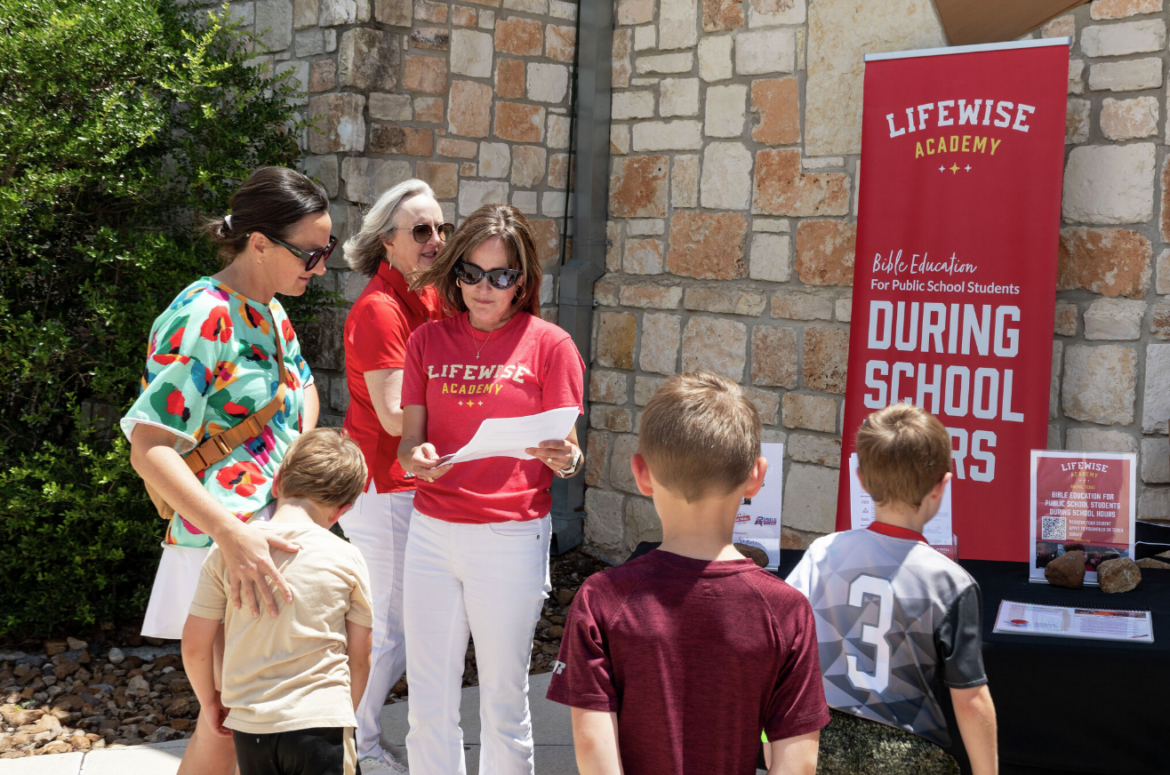
LifeWise Academy operates through what is known as Released Time Religious Instruction, or RTRI. Participating students leave their public-school campus during part of the school day and receive Bible-based instruction at an off-campus location.
According to reporting published Wednesday, August 26, by FāVS News and Religion News Service, LifeWise is gaining particular momentum in Washington state. LifeWise Washington State Director Alise Morrisey said people have expressed interest in establishing programs in approximately 83% of Washington’s school districts.
LifeWise describes its mission as reaching public-school students with the Gospel through a “community-driven released time religious instruction program.” Its classes emphasize Scripture, the Gospel of Jesus Christ and character education.
The organization says it now serves students connected to more than 1,000 public schools nationwide. LifeWise has also stated a long-term goal of reaching 10% of U.S. public schools by 2030.
How Can This Be Legal?
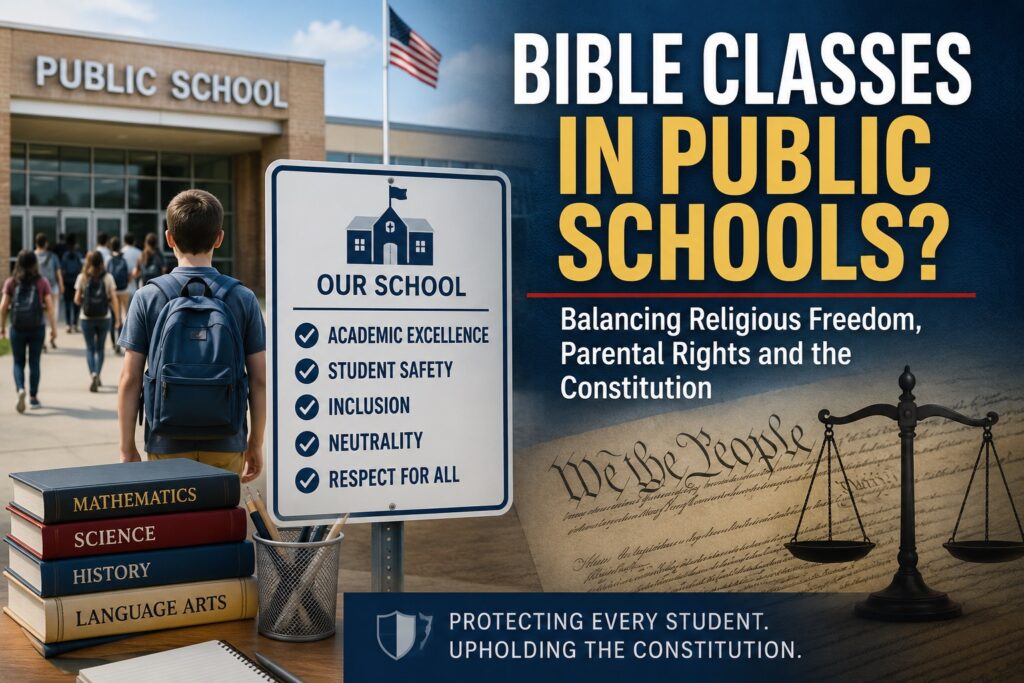
The constitutional distinction is important: LifeWise is not teaching Bible classes inside ordinary public-school classrooms as part of the public-school curriculum.
Instead, students participate with parental permission and leave school property for instruction that is privately funded.
The legal foundation stretches back more than seven decades.
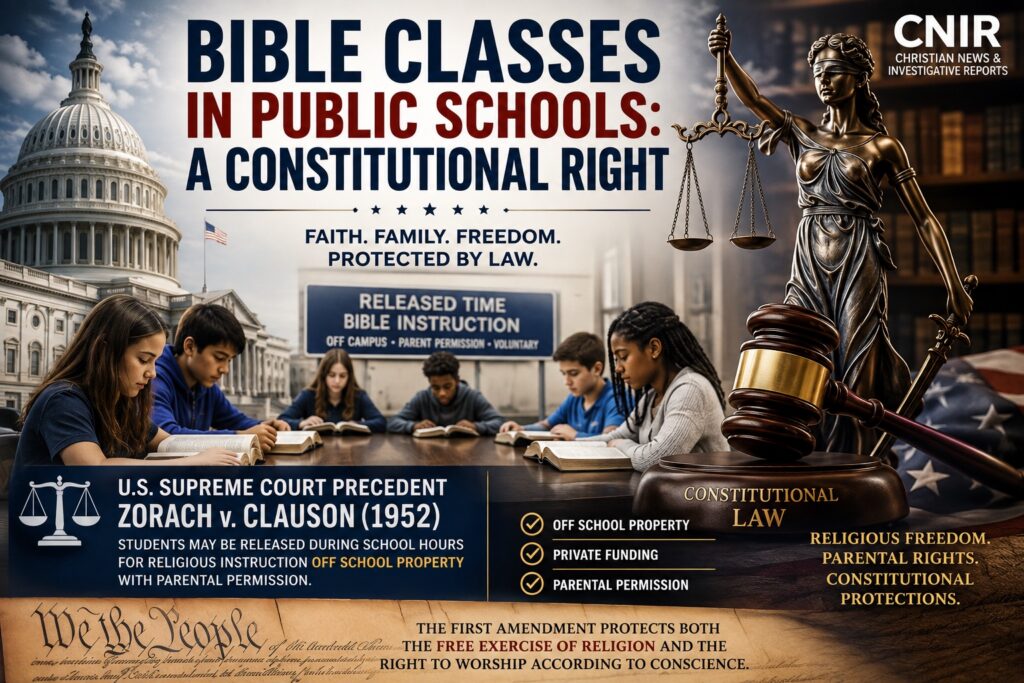
In the 1952 U.S. Supreme Court case Zorach v. Clauson, the Court upheld a New York program that allowed public-school students, with parental permission, to leave school during designated periods for religious instruction away from school property.
LifeWise says its model follows three central principles derived from that ruling: instruction takes place off school property, receives private rather than public funding, and requires parental permission.
That distinction separates released-time instruction from government-sponsored religious instruction.
Critics Raise Church-State Concerns
Not everyone is comfortable with the program.
Critics have raised concerns about students missing instructional time, possible pressure on children who do not participate, recruitment of classmates and whether cooperation between school districts and religious organizations can cross constitutional boundaries.
The controversy has already reached federal court in Washington.
LifeWise filed a lawsuit against Everett Public Schools in December 2025, alleging that the district improperly singled out the organization and infringed its First Amendment rights.
According to FāVS News, a federal district court issued a preliminary injunction in April requiring the district to permit LifeWise to participate in community resource fairs and distribute materials where comparable secular organizations are permitted, while also allowing eligible students with parental permission to participate.
That legal battle demonstrates an important point: the constitutional debate involves more than the Establishment Clause. It also involves free speech and the free exercise of religion.
Supporters See an Opportunity
For supporters, LifeWise represents something many Christian parents thought had largely disappeared from American public education: an opportunity for children to receive biblical instruction during the school day.
LifeWise says its classes teach character traits such as courage, kindness and respect through biblical principles. The organization also describes its larger purpose explicitly in Christian terms, saying its biblical teaching is centered on Christ’s death and resurrection and God’s plan of redemption.
Participation, however, is voluntary rather than mandatory.
That distinction matters. The government is not requiring children to study Christianity; parents are choosing whether their children participate in an independently operated religious program.
A Bigger Question for America
The LifeWise debate arrives as the United States continues wrestling with the proper place of religion in public education.
The First Amendment prohibits government establishment of religion, but it also protects religious exercise. Those principles can come into tension when public institutions interact with religious students, parents and organizations.
For Christians, therefore, the LifeWise story raises a question larger than one organization:
Can America maintain the constitutional separation of church and state without treating religious expression as something that must be separated from public life altogether?
The Supreme Court answered part of that question more than 70 years ago by allowing properly structured released-time religious instruction.
Now, as LifeWise expands into more communities, that old constitutional question is becoming new again.
CNIR Sources
Religion News Service / FāVS News — August 26, 2026: Reporting on LifeWise Academy’s Pacific Northwest expansion and the church-state debate.
LifeWise Academy: Official explanation of its released-time model, mission, national reach and legal framework.
U.S. Supreme Court precedent: Zorach v. Clauson (1952), the constitutional precedent underlying released-time religious instruction.
Editorial Note
This article is intended to encourage biblical discussion—not to criticize any individual pastor, church, or denomination. CNIR affirms that Scripture honors faithful spiritual leaders while also emphasizing the importance of mentoring and preparing the next generation. Our hope is that this conversation inspires churches to remain biblically faithful, spiritually healthy, and ready for the future. This article was created with AI assistance and curated by CNIR Staff for accuracy and editorial standards. Source: Christian News & Investigative Reports (CNIR) — cnirbc.com