Muslims across parts of the Middle East are turning to Christianity, according to Christian ministry leaders who say some converts are reporting extraordinary dreams and visions of Jesus Christ amid war, displacement and growing questions about faith.
Muslims Turn to Christianity Amid Middle East Conflict
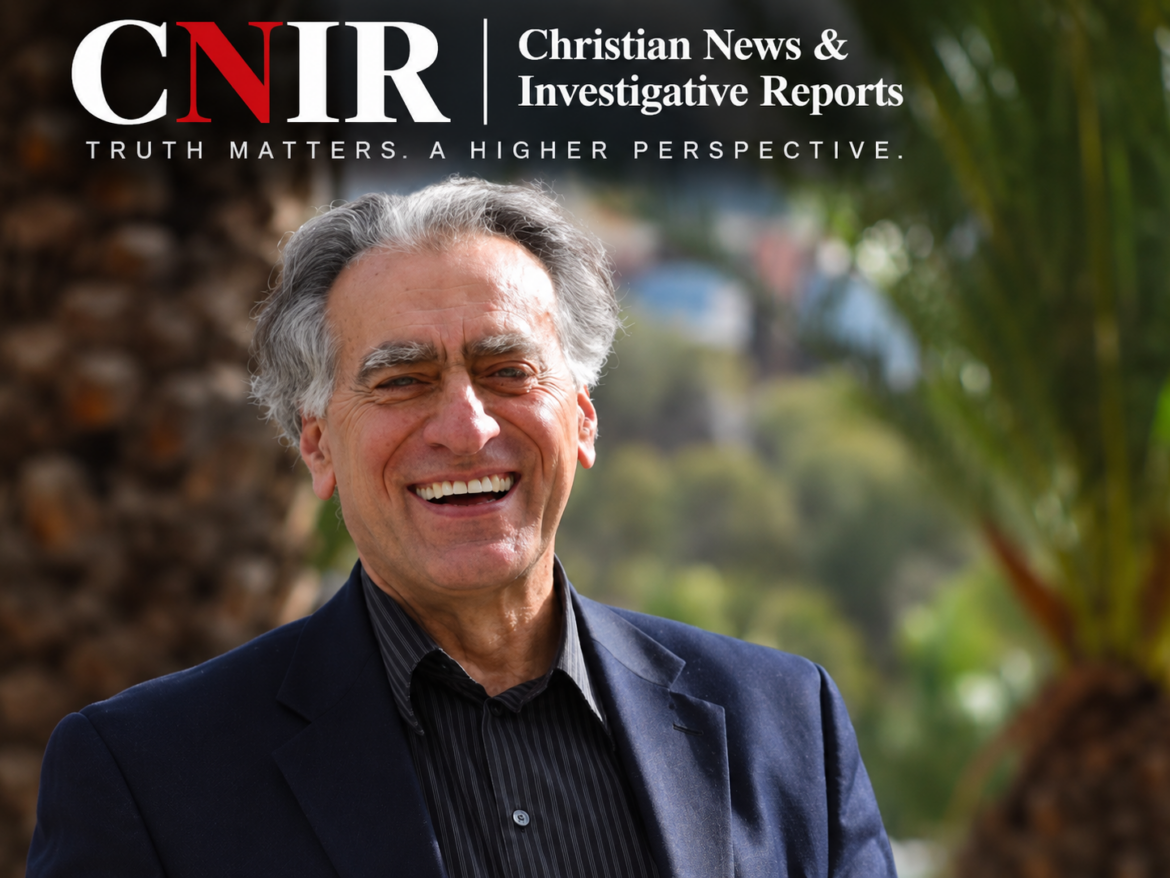
Pastor Georges Houssney, founder of Horizons International and a longtime missionary to Muslims, told CBN News that instability across the region has caused some Muslims to reconsider their religious beliefs and become more open to the Gospel.
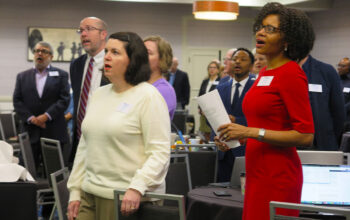
CBN News recently met Houssney and former Kurdish Muslims from Syria, Lebanon, Turkey and Iraq in Seoul, South Korea. The converts described leaving Islam and embracing Christianity.
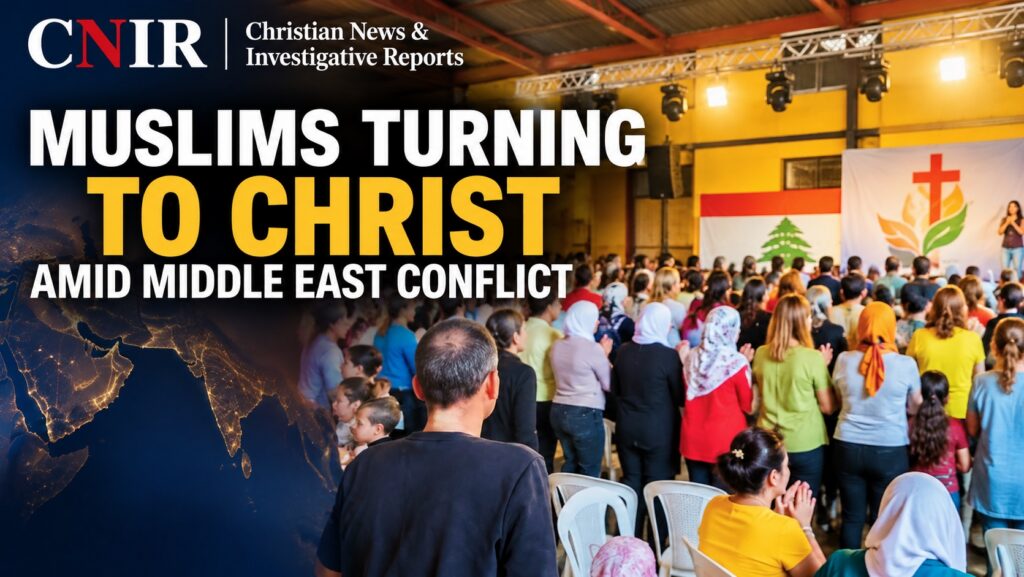
Houssney, who has ministered among Muslims for more than five decades, believes war and displacement have contributed to increased spiritual searching among people confronting suffering and uncertainty.
Former Muslims Report Dreams and Visions of Jesus
Some of the most striking conversion accounts involve former Muslims who say dreams or visions of Jesus influenced their journey toward Christianity.
A Kurdish ministry leader identified as Pastor Nihad told CBN that while imprisoned in Syria, he prayed to Jesus for help and experienced what he describes as a vision of a person dressed in white. Nihad says he came to believe the figure was Jesus and later became a Christian minister.
Such supernatural experiences cannot be independently verified by conventional journalism and therefore remain personal testimonies. However, reports of Muslim converts describing dreams and visions of Jesus are not new. A 2013 Christianity Today report examining a survey of 100 former Muslims found that 25 percent identified dreams or visions as one factor that drew them toward Christ.
Christianity and Iran’s Underground Church
Iran has become another major focus of reports concerning Muslims converting to Christianity. Determining the number of converts is difficult because many practice their faith privately or through underground house churches.

Houssney cited an estimate of more than 5 million converts in Iran, but that figure has not been independently established and should be treated as a ministry estimate rather than a confirmed demographic count.
What is independently documented is the danger facing Iranian Christian converts. The U.S. Commission on International Religious Freedom reported that Iranian authorities systematically targeted Christians during 2025, with at least 143 Christians arrested across 24 cities and approximately 162 active court cases involving Christians prosecuted for religious activities.
Despite persecution and continuing conflict, Christian ministries say interest in the Gospel persists. For believers watching the Middle East, the testimonies carry a powerful message: amid uncertainty and upheaval, former Muslims say their search for spiritual truth is leading them to Jesus Christ.
Sources & Further Reading
1. CBN News — “Visions of Jesus: Many Muslims Turning to Christ Amid Middle East Conflict” — September 4, 2026. Original reporting featuring Pastor Georges Houssney and testimonies from former Muslim converts.
2. Christianity Today — “Why 100 Former Muslims Converted to Christianity” — April 18, 2013. Reports on Houssney’s survey of 100 former Muslims, including findings concerning dreams and visions.
3. U.S. Commission on International Religious Freedom (USCIRF) — 2026 Annual Report/Iran reporting. Documents arrests, prosecutions and restrictions affecting Christians and converts in Iran.
Editorial Note
This article is intended to encourage biblical discussion—not to criticize any individual pastor, church, or denomination. CNIR affirms that Scripture honors faithful spiritual leaders while also emphasizing the importance of mentoring and preparing the next generation. Our hope is that this conversation inspires churches to remain biblically faithful, spiritually healthy, and ready for the future. This article was created with AI assistance and curated by CNIR Staff for accuracy and editorial standards. Source: Christian News & Investigative Reports (CNIR) — cnirbc.com