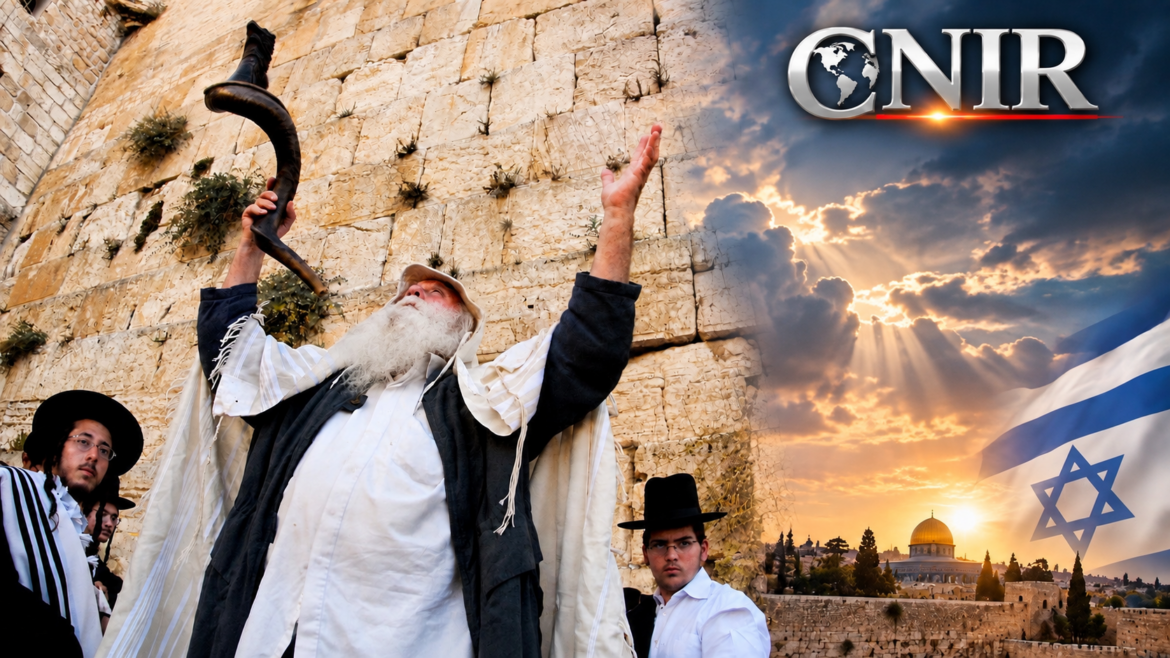
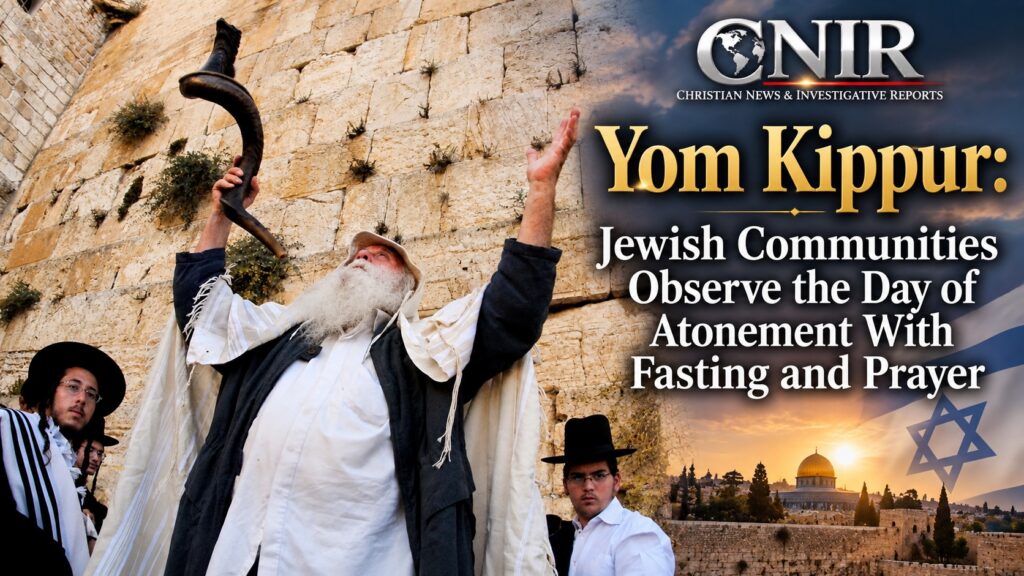
Yom Kippur 2026 is being observed today, September 21, as Jewish communities around the world mark the Day of Atonement through fasting, prayer, repentance and spiritual reflection.
When Did Yom Kippur 2026 Begin?
Yom Kippur began at sundown Sunday, September 20, 2026, and continues until nightfall Monday, September 21. The approximately 25-hour observance falls on 10 Tishrei 5787 and is considered the holiest day on the Jewish religious calendar.
The sacred day concludes the Ten Days of Repentance, a period that begins with Rosh Hashanah and emphasizes reflection, repentance and reconciliation.
Why Jews Fast on Yom Kippur
Observant Jews traditionally abstain from all food and drink during the Yom Kippur fast. Other traditional restrictions include avoiding bathing, lotions and cosmetics, leather shoes and marital relations.
Many worshippers also wear white, symbolizing purity and spiritual renewal.
Prayer, Repentance and Forgiveness
Synagogue worship occupies much of Yom Kippur. Five prayer services are traditionally held, beginning with Kol Nidrei on the evening the observance starts.
Repentance and forgiveness remain central themes. Jewish tradition particularly emphasizes seeking reconciliation with people who have been wronged.
Yom Kippur Ends With the Shofar
The final prayer service, known as Neilah, takes place as Yom Kippur approaches its conclusion. After nightfall, a prolonged blast of the shofar, or ram’s horn, traditionally marks the end of the sacred observance.
Families and communities then gather to break their fast.
Why Yom Kippur Matters to Christians
For Christians, Yom Kippur also provides important biblical context for understanding atonement. Leviticus 16 describes the ancient Day of Atonement, when Israel’s high priest entered the Most Holy Place and sacrifices were offered for sin.
Christian theology connects the imagery of sacrifice and atonement with Jesus Christ. The New Testament book of Hebrews presents Christ as the ultimate High Priest whose sacrifice, unlike the recurring sacrifices under the old covenant, was offered once for sins.
While Christians generally do not observe Yom Kippur as required under the Mosaic covenant, understanding the Day of Atonement can provide deeper context for the biblical themes of sin, repentance, forgiveness and redemption through Christ.
Disclaimer: The information presented in this article is for informational and educational purposes only. Readers are advised to conduct thorough research before making any decisions. Source: Christian News & Investigative Reports (CNIR) — cnirbc.com