CNIR | TECHNOLOGY, FAITH & PUBLIC POLICY | NOVEMBER 23, 2026
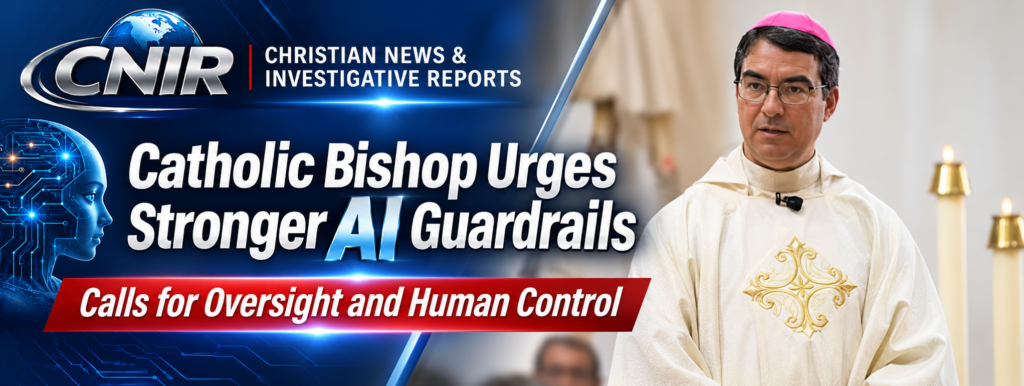
Catholic Church Enters the Artificial Intelligence Debate
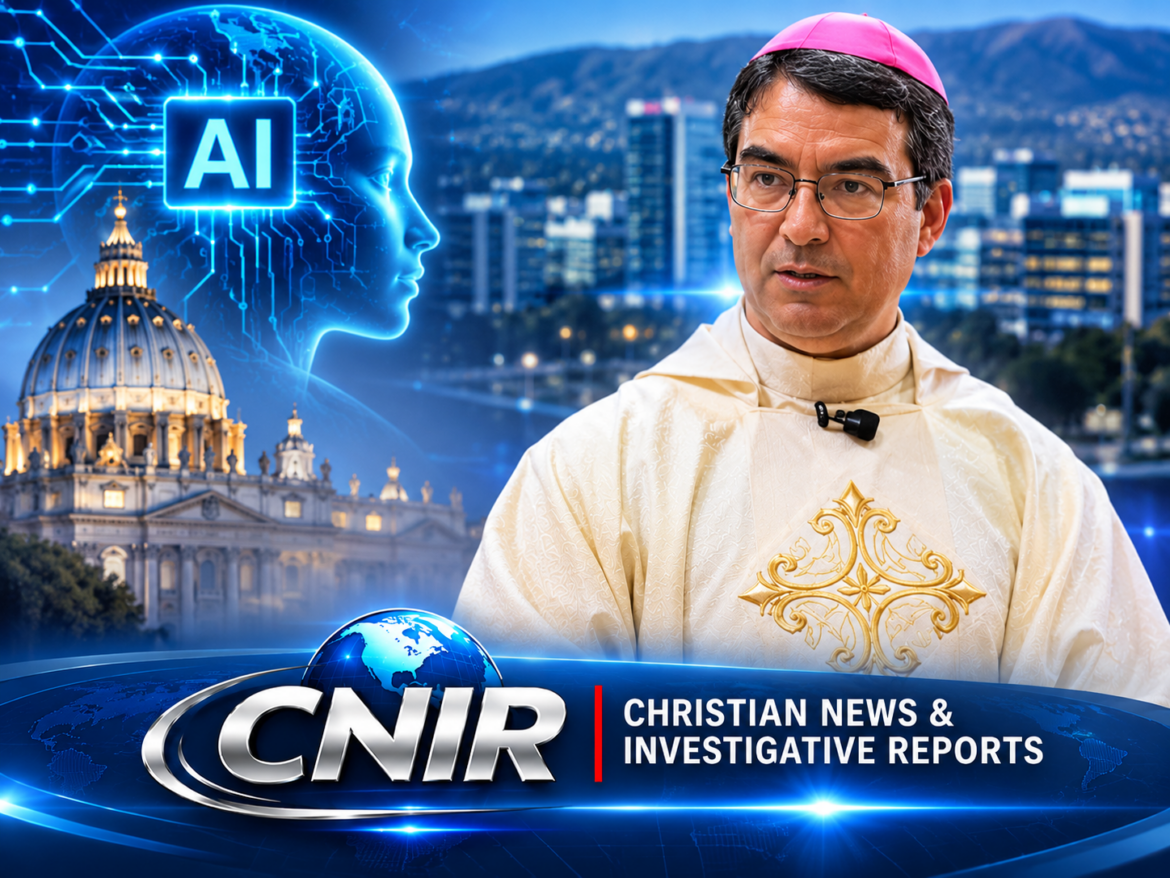
SAN JOSE, Calif. — As artificial intelligence continues transforming industries, workplaces, and everyday life, a prominent Catholic bishop in Silicon Valley is urging religious leaders and policymakers to establish stronger safeguards governing the rapidly advancing technology.
Bishop Oscar Cantú of the Diocese of San Jose, who chairs the U.S. Conference of Catholic Bishops’ (USCCB) Task Force on Preserving Human Dignity in the Age of Artificial Intelligence, is advocating greater public involvement in decisions concerning AI development and regulation.
The initiative seeks to mobilize Catholic leadership and congregations to encourage lawmakers to adopt policies emphasizing human accountability, public safety, and ethical technological advancement.
Bishop Calls for Responsible AI Development
Speaking during the bishops’ November 18 gathering in Baltimore, Cantú outlined the task force’s priorities, including cooperation with technology companies and government officials.
The bishop emphasized that technological innovation should advance without compromising human dignity or allowing automated systems to replace essential human judgment.
According to reporting by Premier Christian News, Cantú also described the need for broad participation from church leaders and congregations in advocating for government oversight.
His position reflects a growing effort within the Catholic Church to influence the ethical framework surrounding artificial intelligence rather than oppose technological progress altogether.
Protecting Children, Workers, and Human Decision-Making
The bishops’ initiative identifies several areas requiring particular attention, including protecting children from online exploitation, addressing employment disruptions associated with automation, and ensuring accountability for AI-generated decisions.
The task force also plans to promote artificial intelligence education within Catholic institutions, helping religious leaders and communities better understand both the benefits and potential risks of emerging technologies.
In addition, the USCCB has updated its socially responsible investment guidelines to exclude companies developing AI technologies that fail to safeguard human dignity.
Silicon Valley Becomes a Center of Religious Engagement
Cantú’s leadership places the Diocese of San Jose in a significant position within the national discussion.
With Silicon Valley serving as a major center for artificial intelligence research and development, the bishop’s proximity to leading technology companies provides opportunities for engagement between religious institutions and industry executives.
The task force has already participated in discussions with technology representatives, and Cantú reported that several companies have demonstrated openness to continued dialogue.
Vatican Encourages Ethical Technology
The bishops’ efforts follow Pope Leo XIV’s emphasis on maintaining human dignity amid technological advancement.
In his encyclical Magnifica Humanitas, the pope addressed the moral responsibilities accompanying artificial intelligence and encouraged an approach that places human welfare above purely commercial considerations.
Cantú has connected the current technological transformation to earlier periods of industrial change, when Catholic social teaching addressed labor protections and economic justice.
What Happens Next?
The USCCB task force intends to continue working with policymakers, technology companies, educators, and Catholic institutions as artificial intelligence becomes increasingly integrated into society.
Its proposed activities include educational programs for bishops, resources supporting AI literacy, and advocacy for regulations emphasizing transparency and human oversight.
For Cantú and the Catholic leadership involved, the central concern is not whether artificial intelligence should advance, but how society can ensure that technological progress remains accountable to the people it affects.
The developing issue raises an important public-policy question: Who should ultimately determine the limits of artificial intelligence—technology companies, elected governments, or a broader coalition that includes religious and civic institutions?
Primary Sources
1. United States Conference of Catholic Bishops — Official Remarks
2. USCCB — Task Force Membership Announcement
3. Associated Press — Independent Reporting
CNIR Editorial Verification: This report is based on Bishop Cantú’s November 18, 2026, prepared remarks published by the USCCB and reporting from Associated Press, OSV News, and Premier Christian News. The bishop’s leadership, task force objectives, and investment-policy changes are documented. No specific legislation is represented as having been enacted through this initiative. USCCB+3