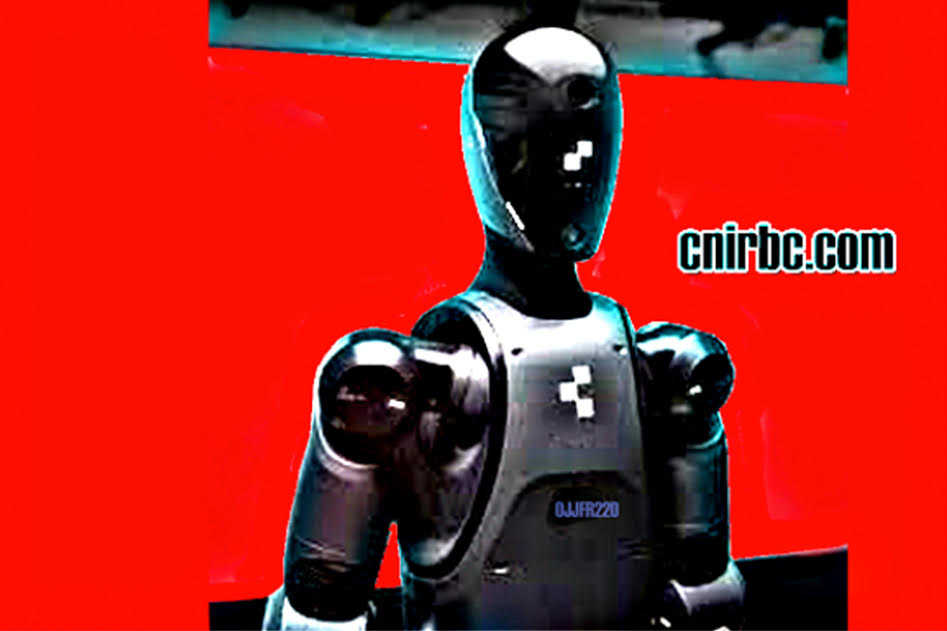
Artificial Intelligence is accelerating humanoid robot adoption—here’s what it means for industries and households.
The Rise of AGI-Powered Humanoids
Humanoid robots, once a futuristic concept, are now on the brink of mainstream adoption. With rapid advancements in Artificial General Intelligence (AGI), these machines are set to transform both industrial operations and everyday life. Leading this revolution is Brett Adcock, founder of Figure, whose company is making significant strides in humanoid robotics. With the potential to handle complex tasks, these robots could soon be assisting in homes and workplaces.
How Humanoid Robots Will Transform Everyday Life
Humanoids, designed to mimic human form and function, have long been used in AI research. Their ability to test new algorithms, refine machine learning models, and execute real-world tasks makes them essential for innovation.
With AGI integration, these robots will move beyond pre-programmed actions, allowing them to learn, adapt, and interact intelligently in various environments. From household chores to industrial automation, humanoids could soon become indispensable.
Will Humanoid Robots Replace Jobs?
The growing presence of humanoid robots raises concerns about job displacement. However, they are unlikely to replace professions requiring emotional intelligence—such as teaching, nursing, and therapy. These fields demand human connection and critical thinking, which AI currently struggles to replicate.
On the other hand, repetitive jobs such as bookkeeping, warehouse operations, and assembly line labor are more vulnerable to automation. As businesses seek efficiency, humanoid robots may take over routine tasks, reshaping the workforce.
The Future of Humanoid Robots in Homes
As companies like Figure push humanoid robotics forward, their integration into households, healthcare, and industrial sectors seems inevitable. These AI-powered assistants could help with cleaning, caregiving, and even providing companionship. However, ethical and societal discussions will shape how quickly they are adopted.
The future of humanoid robots is no longer a distant dream—it is unfolding now. The question remains: How will society adapt to this transformation?