
🔥 Article Update
Tokenization is rapidly reshaping global finance as institutions embrace blockchain-based infrastructure. With tokenized assets surpassing US$ 34 billion, major firms are adopting on-chain models to improve efficiency, transparency, and market access—signaling tokenization’s growing role in the future of financial systems.
🚀 Institutional Momentum Builds Behind Tokenization
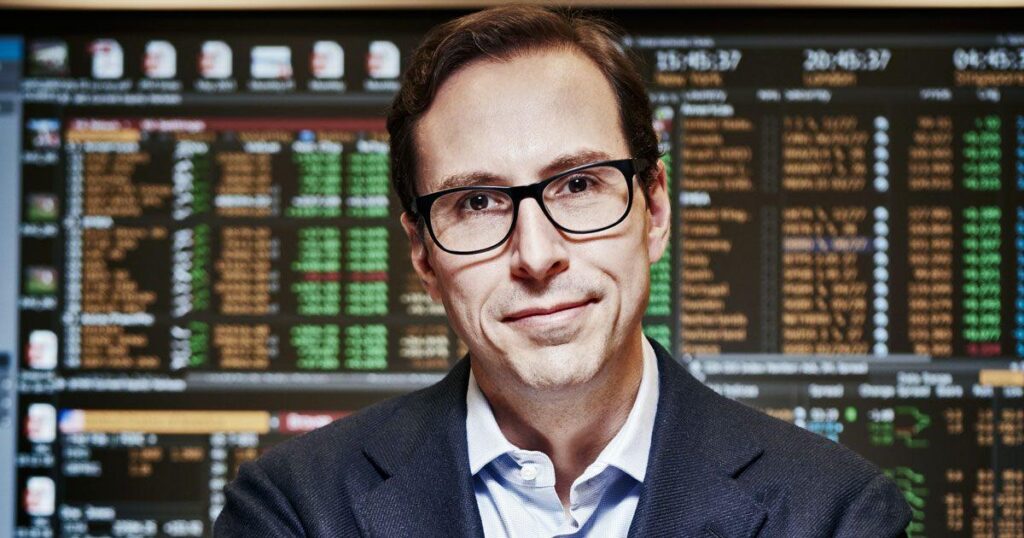
Tokenization is emerging as one of the most significant advancements in modern financial infrastructure, according to recent statements from BlackRock CEO Larry Fink and COO Rob Goldstein. Both leaders describe tokenization as a core driver of the next evolution of global markets, citing its ability to connect traditional finance with digital systems in ways that enhance transparency, efficiency, and global accessibility.

Their remarks align with new market research showing rapid growth in tokenized real-world assets (RWAs). Recent analyses report that tokenized assets have exceeded US$ 34.6 billion across global markets in 2025, reflecting accelerating institutional adoption.
📊 Market Data Shows Expanding Tokenized Asset Classes
Tokenized U.S. Treasuries have surged to more than US$ 7.3 billion this year, marking one of the strongest adoption curves in digital asset infrastructure. Analysts say this trend demonstrates that institutions are increasingly moving high-value instruments onto blockchain rails. Additional global reviews show the RWA tokenization sector expanding from less than US$ 5 billion in 2022 to nearly US$ 29–30 billion by 2025.
CryptoRank insights further highlight that major firms—including top asset managers—are launching tokenized fund products, signaling broad confidence in the model.
Source:
🏦 Institutions Shift Toward On-Chain Financial Infrastructure
Fink and Goldstein emphasize that tokenization’s impact extends beyond digital assets. The technology enables programmable settlements, real-time auditing, fractional ownership, and improved liquidity across markets traditionally slowed by legacy systems. By embedding compliance, identity, and transaction logic directly into on-chain assets, tokenization reduces operational friction and supports global markets that can operate more efficiently and transparently. Legal and market analyses also confirm that tokenization has entered mainstream adoption, with institutions racing to digitize assets ranging from real estate to credit instruments.
🌐 Tokenization Positioned to Anchor the Future of Global Markets
As financial institutions expand tokenized offerings, analysts expect the next phase of global finance to operate on hybrid rails—traditional financial structures integrated with blockchain-based systems. The growing convergence suggests that tokenization will continue reshaping global markets, offering broader access, faster settlement, enhanced transparency, and a more modern financial architecture. With institutional leaders, rising adoption metrics, and global market validation, tokenization is transitioning from a promising idea to a foundational pillar of the next era in financial infrastructure.
⚠️Disclaimer
This article is for informational purposes only and does not constitute financial or investment advice. This article was created with AI assistance and curated by DNIR Staff for accuracy and editorial standards.
Source: Digital News & Investigative Reports (DNIR) — cnirbc.com