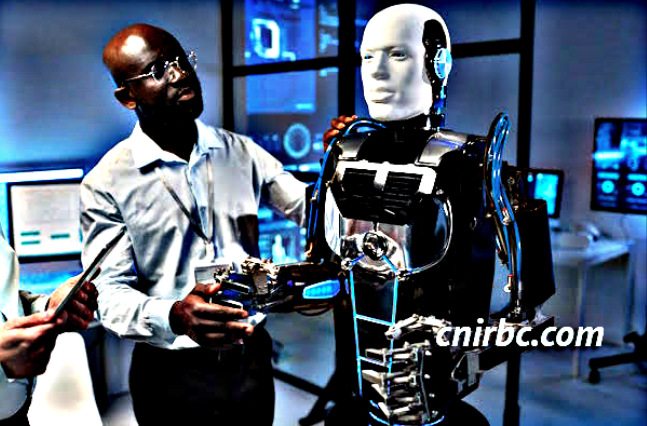
AI-Powered Humanoid Robots Poised to Redefine Global Markets, Says Investment Giant
April 29, 2025 — New York, NY — In a landmark projection, Morgan Stanley has identified humanoid robots as the next trillion-dollar disruptor, forecasting a global market value of up to $5 trillion by the end of the decade. The report positions humanoid robotics as a foundational pillar of the future digital economy, echoing the revolutionary impacts of smartphones and cloud computing.
Market Drivers: AI and Labor Demands Fuel Growth
According to Morgan Stanley, the convergence of artificial intelligence, machine learning, and advanced robotics engineering has dramatically accelerated development timelines for humanoid robots. These machines, designed to mirror human motion and problem-solving abilities, are increasingly viewed as solutions to global labor shortages and aging workforces. Industries such as logistics, healthcare, manufacturing, and even home care stand to benefit as humanoid systems become more adaptive, affordable, and scalable.
Leading Innovators: Tesla, Figure AI, and Agility Robotics
Companies like Tesla Optimus, Figure AI, and Agility Robotics are spearheading efforts to commercialize humanoid robots for real-world applications. These firms are leveraging large-scale AI models and robotics frameworks to enable advanced motor control, environmental awareness, and human-like interaction. The report notes a sharp increase in venture capital flowing into robotics startups, underscoring a growing appetite among institutional investors to back automation technologies.
Regulatory and Ethical Hurdles Remain
Despite the bullish outlook, Morgan Stanley cautions that production scalability, regulatory clarity, and public acceptance are key variables that could shape the industry’s trajectory. Ethical considerations, including data privacy and workforce displacement, must be addressed before widespread adoption occurs.
Future Outlook: Robotics as a General-Purpose Technology
Morgan Stanley views humanoid robotics as a potential “general-purpose technology,” akin to the personal computer or smartphone. The report predicts initial deployment will focus on enterprise environments, eventually expanding to consumer-facing applications as capabilities mature. This forecast places humanoid robots at the center of a rapidly evolving automation landscape, making it one of the most significant investment frontiers in the AI era.