Article Summary
The UK has begun enforcing the OECD’s global CARF standards, expanding crypto-tax reporting obligations for residents while increasing transparency across exchanges and service providers. The framework strengthens compliance without adding new taxes and positions the UK as an early leader in standardized digital-asset reporting.
UK Begins CARF Implementation
The United Kingdom is entering a new phase of digital-asset oversight as authorities initiate domestic reporting duties under the Cryptoasset Reporting Framework (CARF), the global tax-transparency standard developed by the Organisation for Economic Co-operation and Development (OECD). The initiative aims to ensure UK-resident crypto users accurately report taxable activity across exchanges, brokers, and qualified service providers.

CARF’s Global Standard and UK Integration
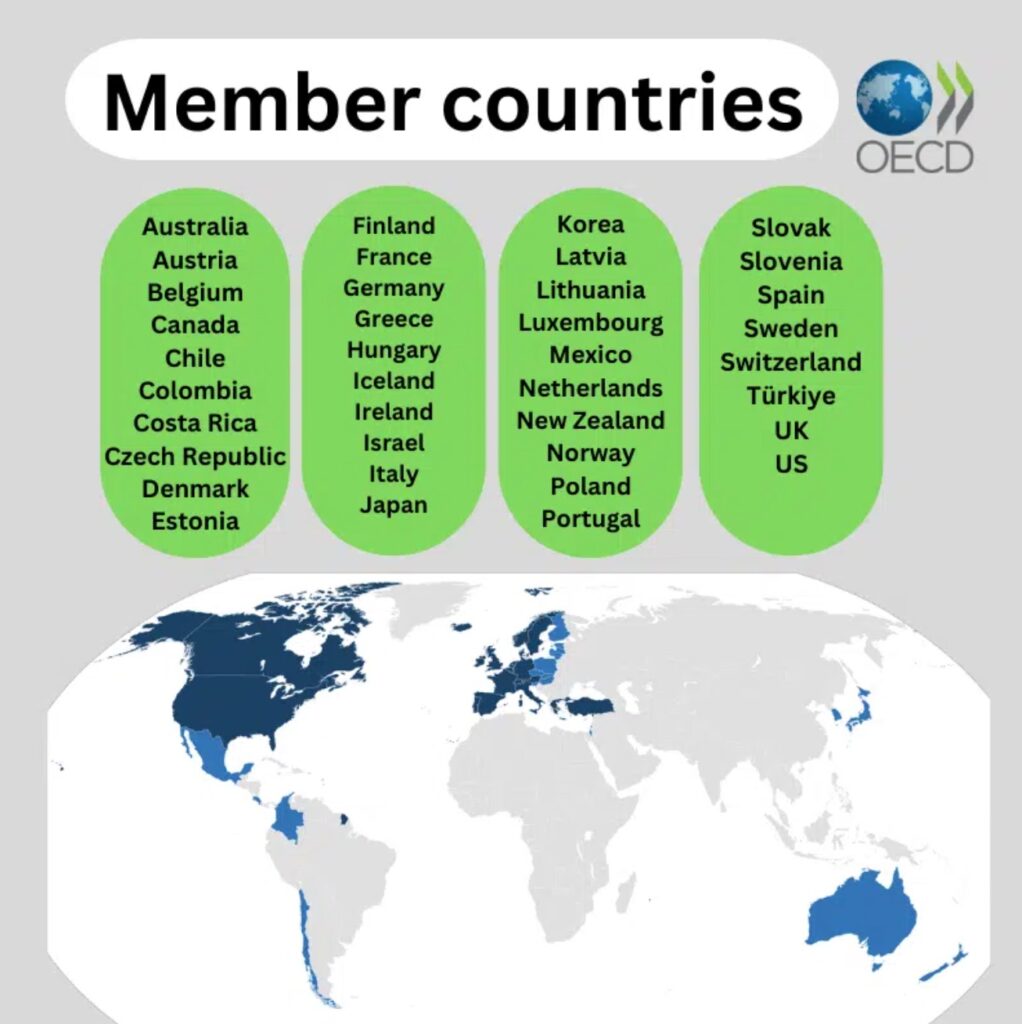
CARF establishes a unified model for jurisdictions to share information on crypto transactions, reducing fragmentation across international reporting systems. By adopting this global structure early, the UK is aligning its regulatory approach with international best practices while reinforcing existing governance efforts under the Financial Services and Markets Act and related consultations on digital-asset policy.
New Domestic Reporting Expectations
Under the new guidelines, UK residents must provide enhanced disclosure on disposals, transfers, and certain crypto swaps. The strengthened reporting obligations close long-standing information gaps, giving regulators clearer insight into activities that were previously underreported. Officials emphasize that CARF does not introduce new taxes—it enhances compliance with existing tax rules through improved data accessibility.
Implications for Exchanges and Service Providers
Centralized exchanges, custodial wallets, and similar platforms falling under CARF’s scope will assume greater responsibility in documenting and transmitting user information. While some firms anticipate operational challenges, compliance experts believe standardization will ultimately strengthen market integrity, reduce ambiguity, and help streamline communication between regulators and service providers.
Industry Outlook and Future Guidance
Analysts note that the UK’s early adoption of CARF reflects its commitment to structured, transparent crypto-tax administration. Authorities are expected to release further implementation guidance, with continued engagement from industry stakeholders as the new reporting regime is phased in.
Disclaimer:
This article is for informational purposes only and does not constitute financial or investment advice. This article was created with AI assistance and curated by DNIR Staff for accuracy and editorial standards. Source: Digital News & Investigative Reports (DNIR) — cnirbc.com