Christian News & Investigative Reports (CNIR)
November 5, 2026
A Changing Political Landscape
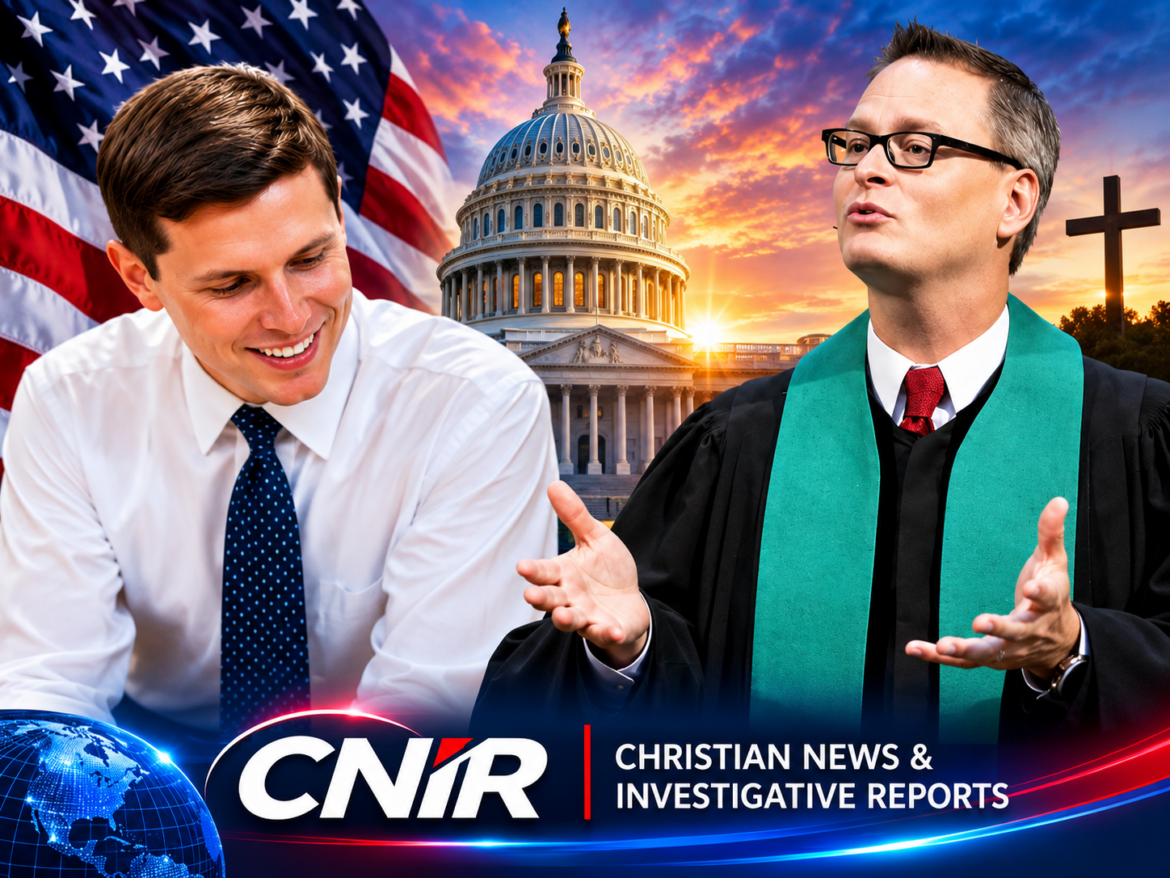
The November 3, 2026, midterm elections have renewed national attention on an increasingly visible political movement: the Religious Left. Christian leaders associated with progressive politics are challenging the longstanding perception that politically active Christianity belongs primarily to the Republican Party.
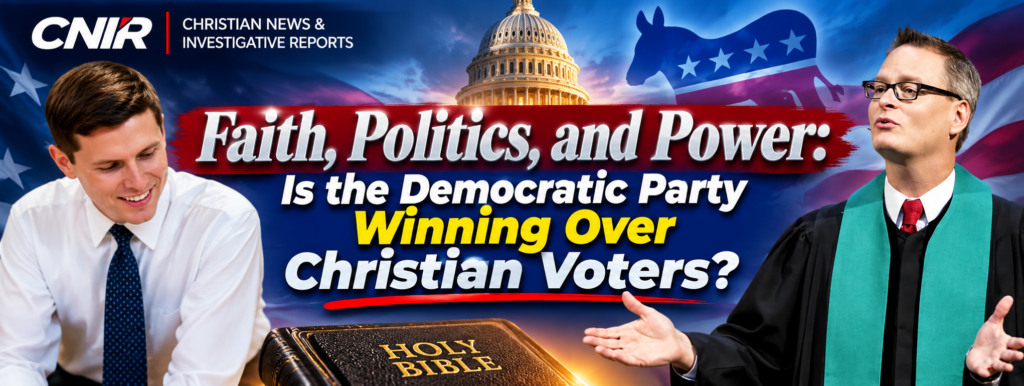
For Christian voters, the emerging debate raises an important question: Is America witnessing a lasting religious political realignment, or simply a new strategy for reaching faith-based voters?
Christianity and the Democratic Party
The Religious Left is not a new movement. Progressive Christian activism has historical roots in the civil rights movement, economic justice campaigns, and religious organizations advocating social reform.
What makes the current political environment noteworthy is the growing visibility of Democratic candidates who openly discuss their Christian beliefs.
Before the midterms, Religion News Service identified pastors, former pastors, and seminary students pursuing congressional office, including candidates representing the Democratic Party.
Their campaigns challenged the assumption that conservative political positions are the only legitimate expression of Christian faith in American government.
The Battle for Christian Voters
For decades, white evangelical Protestants have been among the Republican Party’s most dependable voting constituencies. Meanwhile, Black Protestant voters have historically maintained strong Democratic affiliations.
These differences demonstrate that American Christians have never represented a single political voting bloc.
Progressive Christian leaders frequently emphasize biblical teachings concerning poverty, compassion, immigration, healthcare, and social responsibility.
Conservative Christian organizations often emphasize religious liberty, abortion, marriage, parental rights, and traditional moral teachings.
Both movements appeal to religious convictions, although their interpretations of how those convictions should influence public policy frequently differ.
Are Churches Becoming Political Battlegrounds?
The growing visibility of religiously outspoken Democratic candidates also raises questions about the relationship between church leadership and political influence.
When pastors publicly support candidates, congregations may encounter disagreements over whether political endorsements reflect biblical principles or personal political preferences.
However, supporting a political candidate does not necessarily mean endorsing every religious belief, moral position, or policy associated with that candidate.
The distinction is especially important when political alliances cross theological boundaries.
What Happens Next?
The 2026 midterms have created an opportunity to examine whether progressive Christian political engagement will produce lasting changes in American voting behavior.
Election victories alone cannot establish that Christians nationwide are abandoning conservative politics. Demonstrating such a shift requires reliable polling, voter participation data, and comparisons across multiple election cycles.
CNIR’s Central Question: Is the Religious Left experiencing a genuine political resurgence among American Christians, or are religiously outspoken Democratic candidates successfully attracting voters through faith-centered campaign messaging?
The answer could influence how churches, political leaders, and Christian voters approach future elections.
Verified reporting sources
- Religion News Service — November 4, 2026
- Vox — Christian Left Election Victories
- Axios — Progressive Faith Leaders and the Midterms
Additional Sources: Religion News Service; Pew Research Center; Council on Foreign Relations.
Disclaimer: This article is provided for informational and educational purposes. CNIR does not endorse political candidates or parties.
Source: CNIR — cnirbc.com