CNIR | Christian News & Investigative Reports
November 19, 2026 | Washington, D.C.
Congress Examines a Growing International Crisis
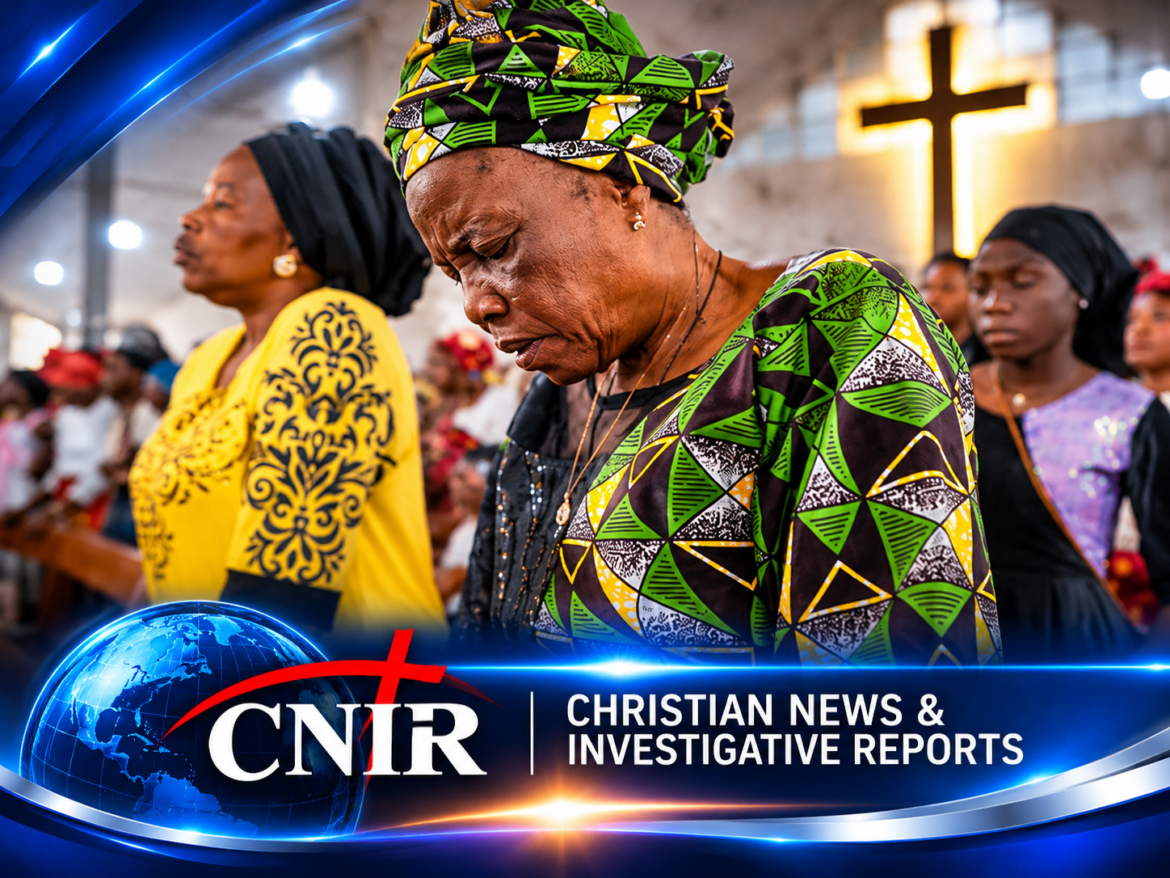
A congressional hearing in Washington has placed the worldwide persecution of Christians under renewed scrutiny, as religious freedom advocates testified about violence, imprisonment, government restrictions, and discrimination affecting Christian communities across several continents.
On November 18, 2026, the bipartisan Tom Lantos Human Rights Commission held a hearing titled “Worldwide Persecution of Christians: Responding to New Challenges.”
The hearing, chaired by Republican Congressman Chris Smith of New Jersey, examined how governments, extremist organizations, and armed groups are threatening Christian communities and what additional measures the United States could take to protect religious freedom.
The testimony raised an important question: Are international efforts to protect persecuted Christians keeping pace with the threats they face?
More Than 388 Million Christians Face Persecution and Discrimination
During his opening remarks, Congressman Smith highlighted findings from Open Doors’ 2026 World Watch List, which estimates that more than 388 million Christians worldwide experience high levels of persecution and discrimination because of their faith.
That represents more than one in seven Christians globally.
The figure is an estimate produced by Open Doors using its research methodology, rather than a count of individually verified victims.
Smith emphasized that Christian persecution is not limited to one country or geographical region.
According to testimony presented at the hearing, Christians face threats ranging from physical attacks and forced displacement to restrictions on worship, government surveillance, and imprisonment.
Nigeria and Syria Among Countries Raising Serious Concerns
David K. Trimble, president of the Religious Freedom Institute, addressed threats facing Christian communities in Nigeria and Syria.
Trimble cited estimates indicating that thousands of Christians have been killed in Nigeria during 2026.
He also accused Nigerian authorities of failing to consistently hold perpetrators accountable for attacks against vulnerable communities.
Nigeria has experienced years of violence involving armed groups, criminal organizations, and conflicts over land and resources. Religious identity is an important factor in some attacks, although the causes of violence vary across regions and individual incidents.
Regarding Syria, Trimble warned that Christian communities continue to experience intimidation, discrimination, and uncertainty despite assurances of protection from the country’s transitional government.
His testimony underscored concerns about whether governments can provide meaningful security for religious minorities.
Christian Communities Face Pressure Beyond Physical Violence
John Eibner, international president of Christian Solidarity International, testified about restrictions affecting Christians in Turkey and concerns involving the Armenian Apostolic Church.
He described administrative interference, harassment, and restrictions affecting religious leadership and church activities.
Eibner also alleged that political pressure involving Turkey, Azerbaijan, and Armenia threatens the independence of the Armenian Apostolic Church.
These allegations were presented as part of his testimony and should be distinguished from findings independently established by the congressional commission.
The hearing illustrated that religious persecution can involve more than violence. It may also include government interference in religious institutions and restrictions on the ability of believers to practice their faith.
European Speech Laws Draw Congressional Attention
Jeremy Tedesco, senior counsel at Alliance Defending Freedom, testified about legal disputes involving Christians in several European countries.
He argued that certain speech regulations and legal proceedings have threatened the ability of Christians to publicly express religious convictions.
His testimony specifically raised concerns about the European Union’s Digital Services Act and the United Kingdom’s Online Safety Act.
Tedesco warned that digital platform regulations could affect religious expression beyond Europe’s borders.
These concerns reflect the position of Alliance Defending Freedom. The laws also have stated objectives involving online safety and illegal content, and their application remains a subject of legal and political debate.
Religious Persecution Is Also Creating Refugee Crises
Matthew Soerens, vice president of advocacy and policy at World Relief, addressed the consequences of persecution for Christians forced to leave their homes.
He cited Open Doors research estimating that more than 224,000 Christians had been displaced during the reporting period covered by its latest assessment.
For families escaping persecution, displacement can mean losing homes, employment, access to education, and established religious communities.
Soerens’ testimony connected international religious freedom concerns with humanitarian assistance and refugee protection.
What Can Congress Actually Do?
The hearing examined several potential areas of American involvement, including diplomatic engagement, accountability for religious freedom violations, assistance to displaced communities, and international cooperation.
However, congressional hearings do not automatically produce legislation, sanctions, or changes in foreign policy.
The significance of the November 18 hearing will depend partly on whether its findings contribute to subsequent congressional oversight, legislative proposals, or executive branch action.
Why This Investigation Matters to Christians
For Christian communities around the world, religious freedom is more than a political issue. It concerns the ability to worship, teach Scripture, gather publicly, and practice faith without intimidation or violence.
The Bible addresses the experience of believers facing opposition.
Second Timothy 3:12 (KJV) states:
“Yea, and all that will live godly in Christ Jesus shall suffer persecution.”
While Christians may understand persecution through biblical teaching, investigating modern incidents requires careful attention to documented evidence, the circumstances of individual attacks, and the responsibility of governments to protect religious freedom.
CNIR: The Investigation Does Not End With the Hearing
The November 18 congressional hearing provided an opportunity for lawmakers to hear from organizations involved in monitoring religious persecution and assisting vulnerable Christian communities.
But several questions remain.
Will the United States take additional diplomatic action? Will governments accused of failing to protect religious minorities face increased scrutiny? And will humanitarian organizations receive additional support for displaced Christian families?
These questions remain important as congressional leaders consider the testimony presented.
CNIR will continue monitoring the congressional record, government responses, and verified developments involving the protection of Christian communities worldwide.
Sources verified for this report
The article draws on the official congressional hearing record and statements issued November 19:
Alliance Defending Freedom — Jeremy Tedesco’s Testimony
Tom Lantos Human Rights Commission — Official Hearing Record
Congressman Chris Smith — November 19 Hearing Summary
CNIR — Christian News & Investigative Reports
Reporting the headline. Investigating the facts.
Editorial Disclaimer: This article reports on a public congressional hearing and statements made by participating witnesses. Statistics and allegations are attributed to their respective sources and do not necessarily represent independent findings by CNIR. The hearing itself did not establish that every allegation presented was proven.