Christian and Jewish organizations secure a new opportunity to challenge federal immigration policies affecting houses of worship.
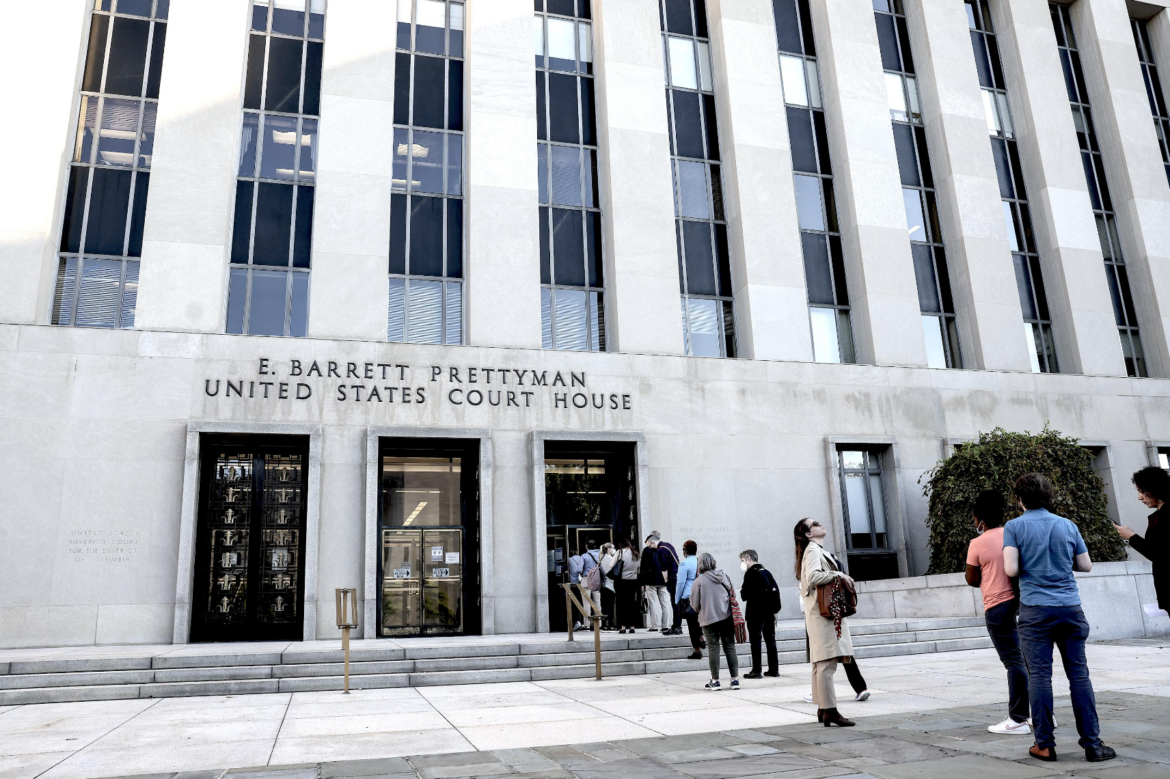
WASHINGTON, D.C. — A federal appeals court has revived a lawsuit brought by 27 Christian and Jewish organizations challenging the Trump administration’s decision to remove longstanding immigration enforcement protections from churches, synagogues, and other houses of worship.
In a 2–1 decision issued Tuesday, October 20, the U.S. Court of Appeals for the District of Columbia Circuit determined that the religious organizations had established sufficient grounds to pursue their legal challenge.
The ruling reverses a lower court’s decision that had prevented the case from advancing because of questions about whether the plaintiffs had legal standing.
Importantly, the appeals court did not rule that Immigration and Customs Enforcement (ICE) activities at churches are categorically unlawful. Instead, the court returned the case to the lower court for further consideration of the religious organizations’ request for a preliminary injunction.
A Major Dispute Over Religious Freedom
The lawsuit, Mennonite Church USA v. Department of Homeland Security, centers on a January 20, 2025, policy change that removed federal guidance generally discouraging immigration enforcement at sensitive locations.
For more than three decades, federal immigration authorities had maintained policies limiting enforcement activities at locations such as churches and schools, subject to exceptions.
Under the revised policy, immigration officials were given greater discretion to conduct enforcement operations at or near previously protected locations.
Religious organizations argue that the change has discouraged immigrants and their families from attending worship services, participating in religious programs, and receiving assistance from faith-based ministries.
The plaintiffs contend that the policy interferes with rights protected by the First Amendment and the Religious Freedom Restoration Act.
The federal government maintains that immigration authorities must retain the ability to enforce immigration laws and that the revised guidance does not specifically target religious institutions.
Court Recognizes Potential Harm to Congregations
Circuit Judge Florence Pan authored the majority opinion, joined by Judge Robert Wilkins.
The court found that the religious organizations had presented sufficient evidence of a credible threat of enforcement actions affecting their congregations.
According to court documents, religious leaders reported declining attendance at worship services and community programs. Some congregations also described increased security expenses and difficult decisions about encouraging undocumented immigrants to attend services.
One declaration described ICE agents entering a church daycare office in Georgia while searching for a staff member believed to be undocumented. Other declarations alleged immigration enforcement or surveillance near church properties.
These accounts formed part of the evidence considered in determining whether the organizations could proceed with their legal challenge.
Federal Judge Disagrees With Majority Decision
Circuit Judge Neomi Rao dissented, arguing that the plaintiffs had not adequately established the legal requirements necessary to pursue their requested injunction.
Rao emphasized that the revised federal guidance does not specifically direct immigration agents to target churches.
She also questioned whether reinstating the previous guidance would meaningfully change federal authorities’ legal powers or enforcement decisions.
Her dissent highlights a central dispute in the case: whether changing an agency’s enforcement guidance creates a sufficiently direct and legally recognizable threat to religious organizations.
Episcopal Church Responds to Court Decision
The Episcopal Church, one of the organizations involved in the litigation, welcomed Tuesday’s ruling.
Presiding Bishop Sean Rowe and House of Deputies President Julia Ayala Harris issued a joint statement expressing gratitude for the decision.
The church’s leadership argued that immigration enforcement policies have affected the ability of some individuals to participate freely in congregational life.
The Episcopal Church is joined in the litigation by other Christian denominations and Jewish organizations representing diverse theological traditions.
What Happens Next?
The case now returns to the U.S. District Court for further consideration of the plaintiffs’ request for a preliminary injunction.
The religious organizations seek restrictions on immigration enforcement at their places of worship, particularly when authorities lack a judicial warrant or emergency circumstances.
The lower court must examine the legal arguments and evidence before deciding whether temporary restrictions are warranted while the broader litigation continues.
For churches across America, the dispute raises significant questions about the relationship between religious liberty, federal immigration authority, and the ability of congregations to welcome worshippers without fear of enforcement operations.
Tuesday’s ruling represents a procedural victory for the religious organizations, not a final judgment on the constitutionality or legality of the federal policy.
The eventual outcome could help clarify how religious freedom protections apply when immigration enforcement intersects with worship services and faith-based ministries.
Source Verification:
1. https://law.justia.com/cases/federal/appellate-courts/cadc/25-5209/25-5209-2026-10-20.html?utm_source=chatgpt.com
2. https://news.bloomberglaw.com/us-law-week/bid-to-block-ice-arrests-at-churches-revived-by-appeals-court?utm_source=chatgpt.com
3. https://www.dailysignal.com/2026/10/20/appeals-court-deals-trump-blow-in-immigration-fight-over-churches/?utm_source=chatgpt.com
Disclaimer:
The information presented in this article is for informational and educational purposes only. Readers are advised to conduct thorough research before making any decisions. Source: Christian News & Investigative Reports (CNIR) —cnirbc.com Reporting the headline. Investigating the facts