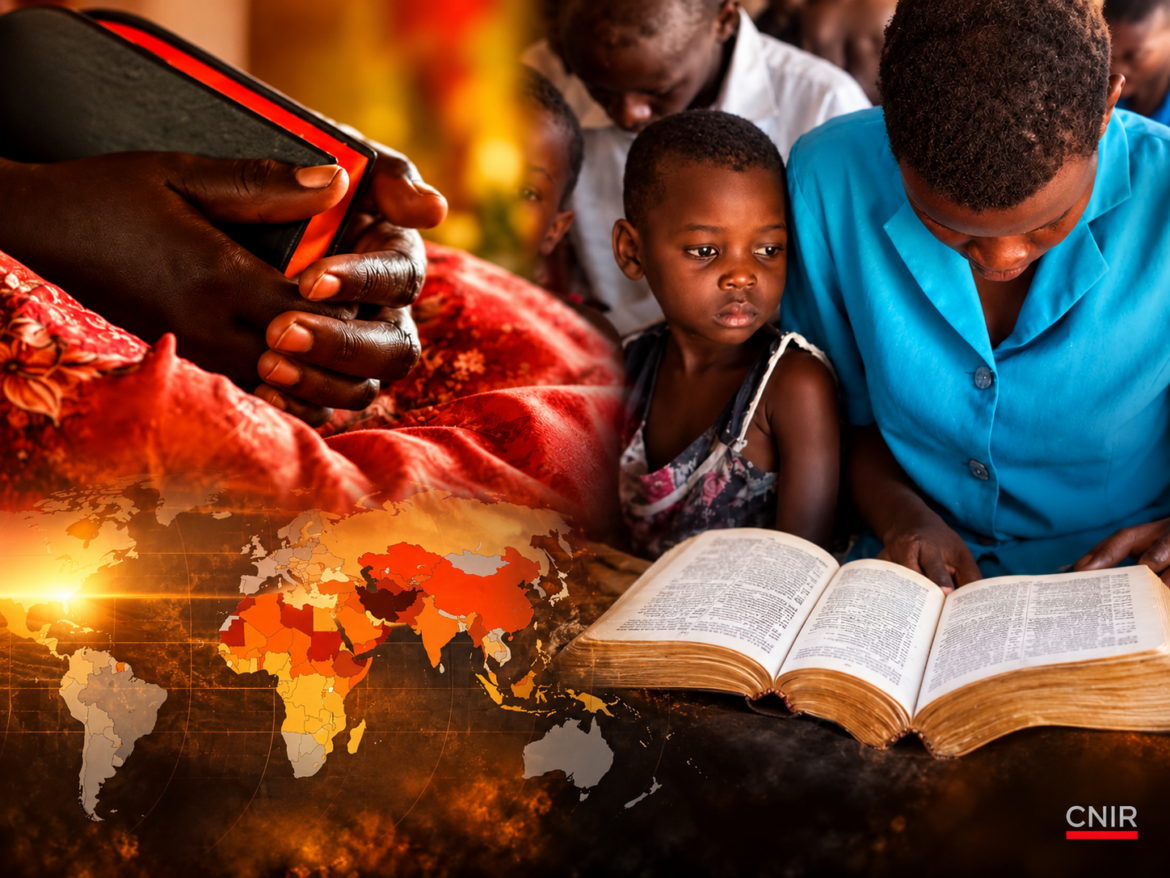
More than 500 million Christians around the world are living under conditions that restrict access to the Bible, according to the newly released 2026 Bible Access List, highlighting a global challenge involving persecution, government controls, poverty and limited infrastructure.
The report, produced by the Bible Access Initiative, examined conditions in 106 countries and found that Bible availability does not always translate into meaningful access for believers.
More Than 125 Million Christians Want a Bible
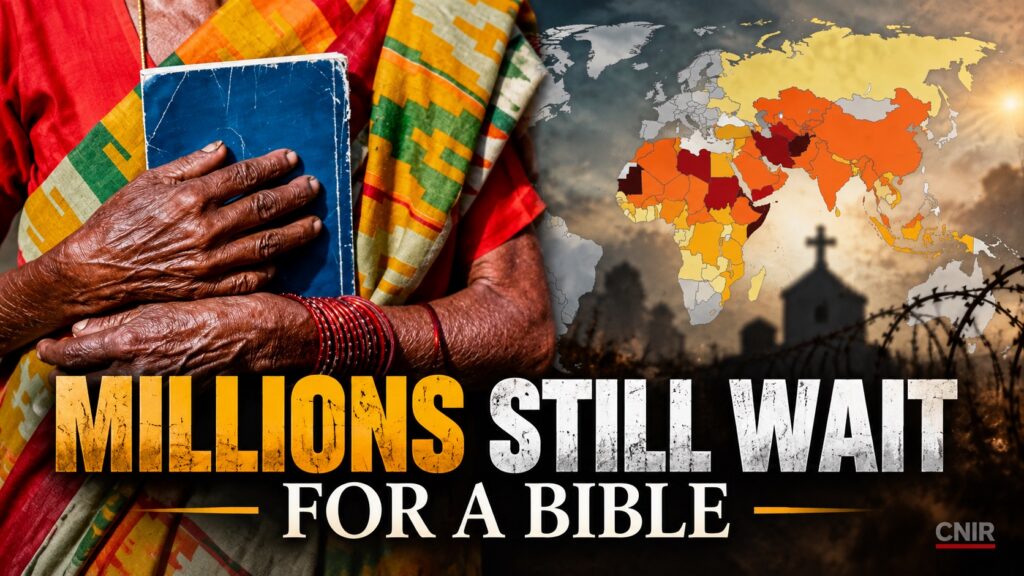
Researchers estimate that approximately 126 million Christians across 81 countries want a personal copy of Scripture but do not have one.
The barriers vary considerably from country to country. Some Christians face government restrictions, censorship, extremist violence or pressure from their families and communities. Others live where poverty, illiteracy, weak infrastructure, limited electricity or inadequate internet access make obtaining Scripture difficult.
The report also estimates that more than 400 million Christians across 42 countries lack internet access, while approximately 277 million Christians in 48 countries live in environments where accessing Scripture online may be unsafe or restricted.
Afghanistan Ranked Most Restrictive
Afghanistan ranks No. 1 on the 2026 Bible Restrictions List, followed by Yemen, Somalia, North Korea and Eritrea.
Mauritania, Turkmenistan, Libya, Sudan and Iran complete the report’s 10 most restrictive countries.
Conditions can be particularly dangerous in nations where Christian activity is heavily suppressed. The report says Christians in some countries may face severe consequences for possessing, distributing or accessing biblical material.
Bible Shortages Extend Beyond Persecution
Persecution is not the only obstacle.
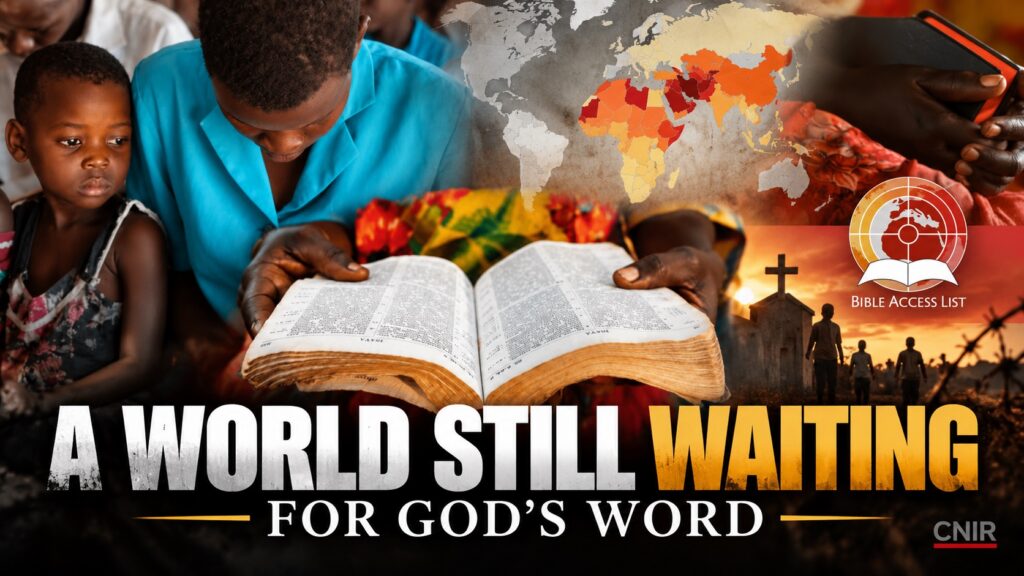
The Democratic Republic of Congo, Ethiopia, Nigeria and India each have estimated shortages exceeding 10 million Bibles among Christians who want their own copy. Uganda’s estimated shortage ranges between 5 million and 10 million.
That distinction is significant because some countries experiencing large Bible shortages do not prohibit Scripture. Instead, economic hardship and distribution problems can place a Bible beyond the reach of millions.
Digital Technology Hasn’t Solved the Problem
Bible translations, smartphone applications, websites and audio editions have dramatically expanded the potential availability of Scripture worldwide.
But researchers warn that digital availability alone cannot guarantee access.
Internet censorship, government surveillance, unreliable electricity and lack of connectivity can prevent Christians from safely reading Scripture online. In certain regions, accessing Christian material electronically may itself expose believers to danger.
A Global Challenge for the Church
The findings present a striking contrast: Scripture may be available in more formats than at virtually any other point in history, yet hundreds of millions of Christians continue to encounter serious obstacles obtaining or safely using it.
The 2026 Bible Access List is intended to help churches, Bible organizations and mission ministries identify where Scripture shortages and restrictions are most severe.
For the global Christian community, the findings raise an urgent question: In an age of unprecedented technology and worldwide communication, how can more than half a billion believers still face barriers to accessing the Bible?
CNIR — Christian News & Investigative Reports
Disclaimer: The information presented in this article is for informational and educational purposes only. Readers are advised to conduct thorough research before making any decisions. Source: Christian News & Investigative Reports (CNIR) — cnirbc.com Reporting the headline. Investigating the facts