PORTLAND, Maine — A Maine mother is preparing to take her religious-freedom fight to the nation’s highest court after the Maine Supreme Judicial Court upheld a custody order giving her daughter’s father final decision-making authority over significant aspects of the teenager’s religious upbringing.
The case, Bickford v. Bradeen, has raised questions about the intersection of parental rights, religious liberty and a court’s responsibility to protect a child’s best interests.
Maine Supreme Court Upholds Lower Court
On September 1, 2026, Maine’s highest court unanimously affirmed a lower court order involving Emily Bickford and Matthew Bradeen, parents of a daughter born in 2013.
The parents previously shared responsibility for decisions involving their child. Their disagreements over religion eventually reached the courts after both sought greater authority over their daughter’s religious upbringing.

The District Court ultimately gave Bradeen final decision-making authority over specified religious matters and medical care. Bickford appealed, arguing that the restrictions violated protections provided by the First and Fourteenth Amendments.
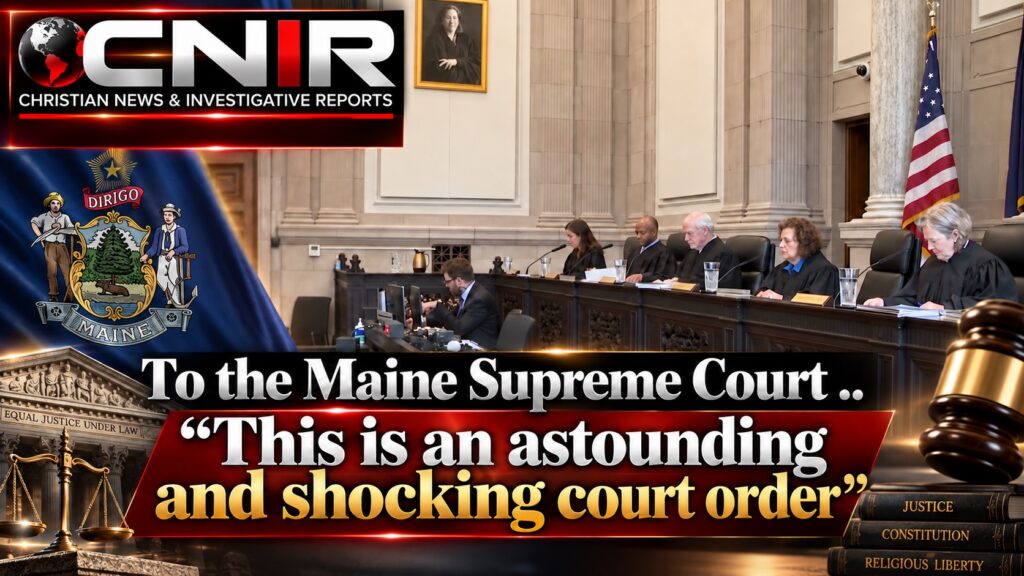
The Maine Supreme Judicial Court rejected those constitutional arguments and affirmed the lower court. The justices said the decision was based on the child’s best interests and the parents’ inability to jointly make decisions concerning religion—not a judicial determination that Bickford’s Christian beliefs themselves were unacceptable.
Concerns Over Daughter’s Well-Being
According to court records, Bickford began attending Calvary Chapel Greater Portland in 2021 and brought her daughter to services.
The litigation included allegations that the girl experienced anxiety connected with some religious messages and conflict surrounding her parents’ differing beliefs.
The state’s highest court concluded that the record supported the lower court’s determination that Bradeen was better positioned to make the disputed decisions concerning the child.
Religious-Liberty Challenge Could Continue
Bickford’s attorneys at Liberty Counsel, a Christian legal organization, strongly disagree with the decision.
The organization argues that the order improperly interferes with a parent’s ability to share her Christian faith with her child. Liberty Counsel announced that it intends to petition the U.S. Supreme Court to review the case.
That means the Maine decision may not represent the final chapter in the dispute. A petition, however, does not guarantee that the U.S. Supreme Court will hear the case.
For Christians following the controversy, the legal question extends beyond whether a mother may bring her daughter to a particular church. The developing case examines where parental religious rights intersect with another parent’s rights and a family court’s authority to act in what it determines to be a child’s best interests.
Disclaimer: The information presented in this article is for informational and educational purposes only. Readers are advised to conduct thorough research before making any decisions. Source: Christian News & Investigative Reports (CNIR) — cnirbc.com