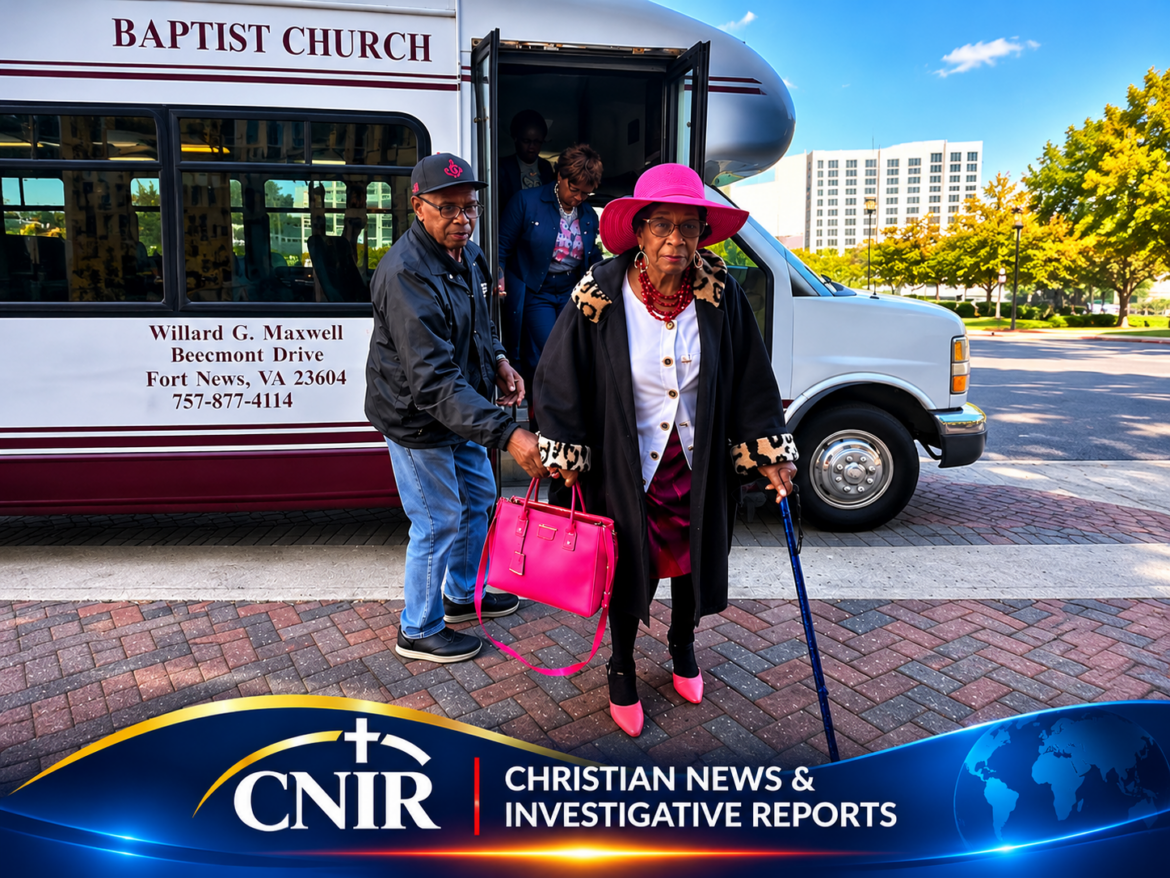
Historically Black churches continue a decades-old tradition of voter mobilization, connecting Sunday worship, civil rights history, and civic participation.
Black Churches Mobilize Voters Ahead of Election Day
UNITED STATES — November 2, 2026. Historically Black churches across America are encouraging congregations to participate in the November 3 midterm elections through a longstanding initiative known as “Souls to the Polls.”
The movement brings together faith-based community organizing, voter education, and transportation assistance to help eligible citizens participate in elections.
For generations, Black churches have served as centers of worship, education, community leadership, and civil rights advocacy. Today, that tradition continues through voting caravans, outreach campaigns, and organized trips to polling locations.
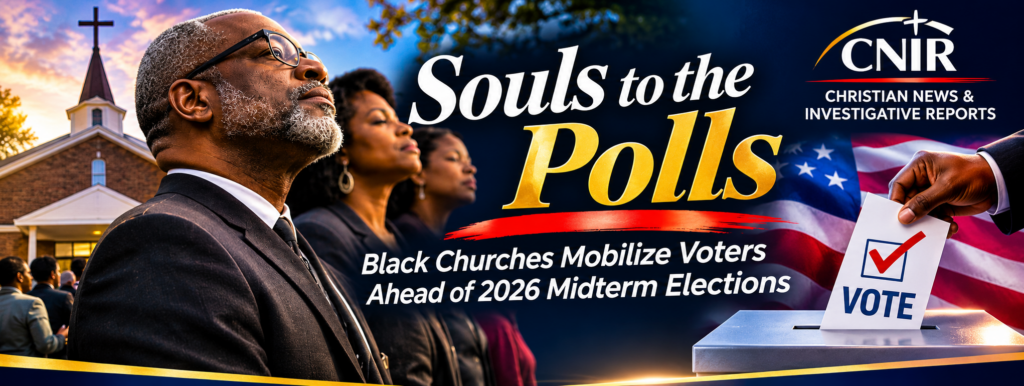
What Is Souls to the Polls?
Souls to the Polls is a voter-mobilization initiative closely associated with African American churches.
The modern movement gained prominence in Florida during the 1990s, building upon decades of Black church involvement in voter registration and civil rights activism.
Traditionally, congregations attend Sunday worship before traveling together to early-voting locations.
Church volunteers may provide transportation, distribute election information, and encourage community participation.
Although some events involve political candidates, the initiative itself does not automatically represent an endorsement of any party or candidate.
Churches Across America Continue the Tradition
Recent activities demonstrate the movement’s continuing influence.
In Atlanta, Georgia, Big Bethel African Methodist Episcopal Church organized an early-voting caravan in October. Senior Pastor Jay Augustine emphasized encouraging participation without directing congregants toward a particular political party.
In Memphis, Tennessee, the African American Clergy Collective of Tennessee organized Souls to the Polls activities on October 17, encouraging residents to participate in early voting.
Historically Black congregations in Nashville have also participated in voter education and community voting events.
These activities highlight the continuing role of religious organizations in promoting civic awareness and participation.
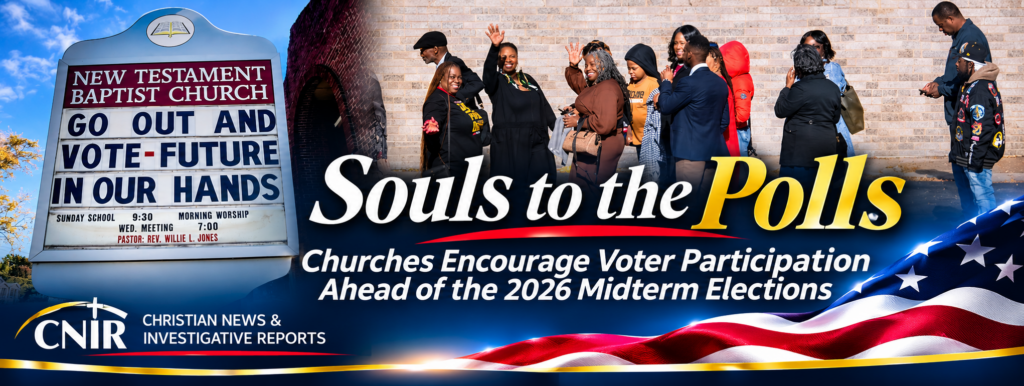
The Black Church’s Historic Role in Voting Rights
The connection between Black churches and voting rights extends to America’s civil rights movement.
During the 1950s and 1960s, churches served as meeting places for voter-registration campaigns, peaceful demonstrations, and community organizing.
Christian leaders, including the Rev. Dr. Martin Luther King Jr., challenged discriminatory voting practices and advocated equal access to the ballot.
The Voting Rights Act of 1965 became a landmark federal law addressing racial discrimination in voting.
For many congregations, Souls to the Polls represents a continuation of that history and the belief that civic participation remains an important community responsibility.
Where Does Church Leadership End and Political Campaigning Begin?
While churches may encourage voting, their involvement in political campaigns raises legal and ethical questions.
Under federal tax regulations, churches recognized as tax-exempt organizations under Section 501(c)(3) may generally conduct nonpartisan voter-registration drives, educational programs, and voter-mobilization activities.
However, federal law prohibits these organizations from participating or intervening in political campaigns supporting or opposing candidates.
Hosting a political candidate does not automatically constitute an endorsement. The circumstances surrounding an event, including statements by church leaders, determine whether prohibited campaign intervention may have occurred.
The distinction is particularly important when churches host election-related gatherings or invite candidates to speak.
What Does the Bible Say About Faith and Government?
Christian teaching recognizes responsibilities toward both God and civil government.
In Matthew 22:21 (KJV), Jesus declared:
“Render therefore unto Caesar the things which are Caesar’s; and unto God the things that are God’s.”
Although Scripture does not specifically address modern American elections, many Christian leaders view responsible civic participation as one way believers can serve their communities.
Others emphasize that the church’s primary mission remains preaching the Gospel, making disciples, and providing spiritual leadership.
These responsibilities can coexist, provided political activity does not displace the church’s religious mission.
Faith, Voting Rights, and the Future of the Church
As Americans prepare for Election Day, Souls to the Polls continues to demonstrate the relationship between faith communities and civic participation.
For participating congregations, the initiative represents more than transportation to voting locations. It reflects generations of community organizing and efforts to protect access to the ballot.
However, the movement also presents an important question for churches across denominations.
How can Christian congregations encourage responsible civic participation while ensuring their spiritual mission remains distinct from partisan political campaigns?
As the 2026 midterm elections approach, that question remains relevant to pastors, congregations, and communities nationwide.
CNIR — Christian News & Investigative Reports
Reporting the headline. Investigating the facts.
Disclaimer: This article is provided for informational and educational purposes. CNIR does not endorse any political candidate or party through this report.
Source: CNIR — cnirbc.com