THE PROPHECY FILES | AN ESCHATOLOGY INVESTIGATION SERIES | INVESTIGATION V
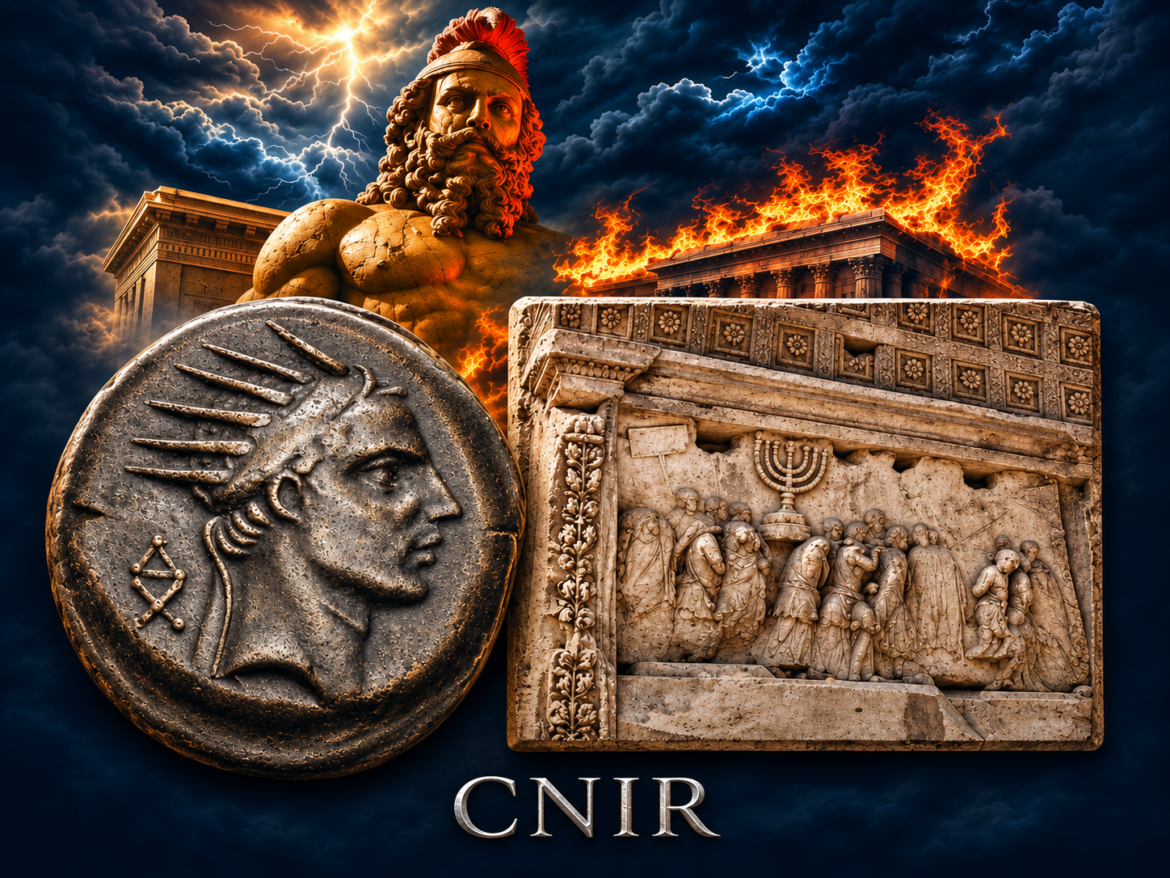
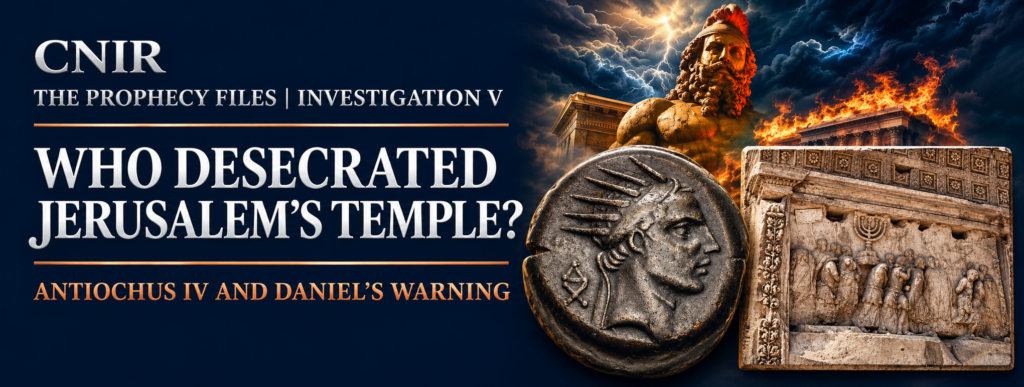
In 167 B.C., under Seleucid king Antiochus IV Epiphanes, a pagan altar was erected over the altar of sacrifice in Jerusalem’s temple, according to 1 Maccabees. The desecration helps explain a phrase that appears in the Book of Daniel and that Jesus
later used in Matthew’s Gospel: “the abomination of desolation.”
What Happened at the Jerusalem Temple?
First Maccabees records that the king’s orders banned traditional sacrifices, Sabbath observance and circumcision. The persecutionhelped spark the Maccabean revolt. In 164 B.C., Jewish forces led by Judas Maccabeus reclaimed the sanctuary, replaced the desecrated altar and rededicated the temple. Hanukkah commemorates that rededication.
How Does the Desecration Connect to Daniel?
Daniel 11:31 describes forces defiling the sanctuary, ending the regular sacrifice and setting up the abomination. Daniel 12:11again pairs the end of the regular sacrifice with the abomination. Those parallels help explain why many interpreters connect Daniel’s language with the events recorded in 1 Maccabees.
Why Did Jesus Refer to Daniel?
In Matthew 24:15–16, Jesus refers to Daniel’s warning and tells those in Judea to flee when they see the abomination in the holy place. Some interpreters connect the warning to the Roman destruction of Jerusalem’s temple in A.D. 70. Others see the desecration under Antiochus as a pattern for a future event during the tribulation. The debate centers on how Jesus’ warning relates to Jerusalem’s destruction and the end of the age.
Sources
1 Maccabees 1:41–64 and 4:36–59
Daniel 11:31 and 12:11
Matthew 24:1–16
NET Bible study note on Matthew 24:15
Society of Biblical Literature, Israel’s History in the Hellenistic Period
Disclaimer
This article is provided for informational and educational purposes.