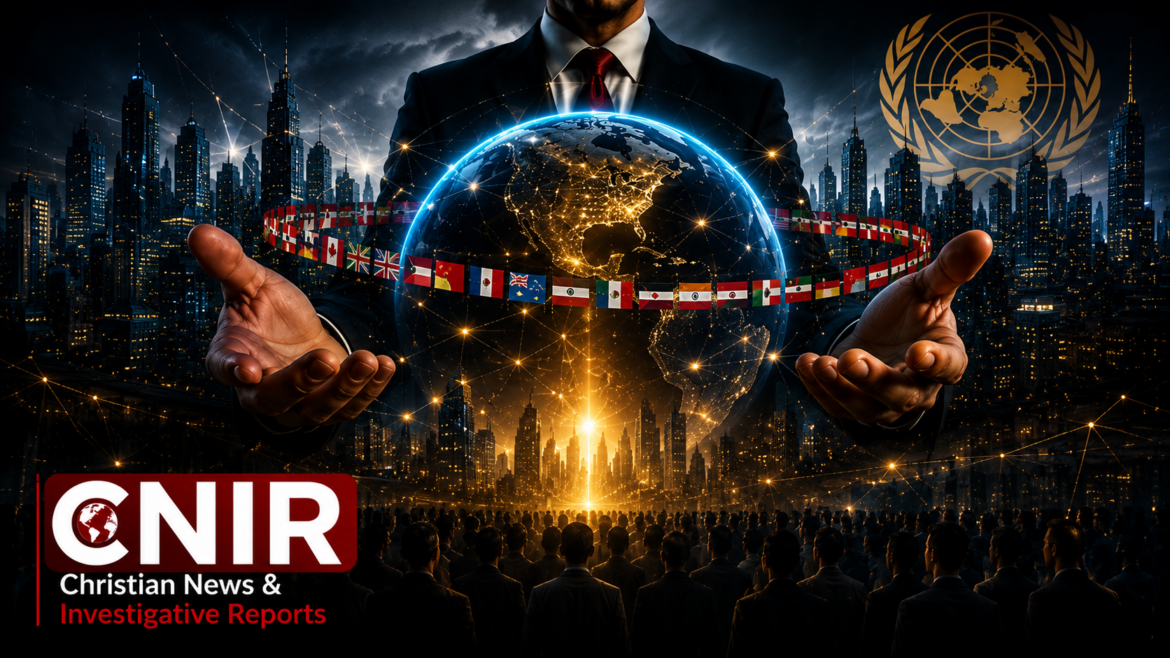
✝️ Global Trends, Digital Control, and Bible Prophecy Fuel Worldwide Discussion
Meta Description: As digital currencies, global governance, and artificial intelligence expand, many are asking whether the world is moving toward a centralized system resembling biblical prophecy.
SEO Keywords: One-world government, Bible prophecy, Antichrist, Revelation 13, Daniel prophecy, digital ID, CBDC, global economy, end times, Christian News
🌐 A Growing Conversation Around Global Authority
As nations become increasingly interconnected through finance, technology, trade, and international diplomacy, discussions about centralized global authority are becoming more common. While political scientists generally reject the idea that a single world government is imminent, many Christians believe current developments resemble conditions described in biblical prophecy.
Today’s world is more connected than at any point in human history. Digital banking, artificial intelligence, biometric identification, global communications, and multinational organizations have transformed how nations cooperate. These advancements have brought remarkable convenience, but they have also raised questions about how much authority could eventually become concentrated within international institutions.
💳 Technology Is Reshaping the Global Economy
The world’s financial system continues evolving at an unprecedented pace. Central Bank Digital Currencies (CBDCs), digital identity programs, real-time payment networks, and AI-driven financial monitoring are becoming increasingly common topics among governments and financial institutions.
Supporters argue these technologies improve efficiency, reduce fraud, and strengthen economic security. Critics, however, caution that highly centralized digital systems could eventually provide governments or international authorities with unprecedented oversight over commerce and personal financial activity.
Although today’s technologies are designed primarily for economic modernization, they have reignited debate over how future financial systems might operate during periods of global crisis.
📖 Bible Prophecy and the Coming World Leader
For students of Bible prophecy, these developments naturally draw attention to Scripture.
Revelation 13:16–17 describes a future economic system in which buying and selling become linked to receiving a mark associated with a powerful world ruler. Likewise, Daniel 7 portrays a kingdom with worldwide influence, while Daniel 9:27 speaks of a coming leader who confirms a covenant before ultimately breaking it. The Apostle Paul also warns of the future appearance of the “man of sin” in 2 Thessalonians 2.
Many evangelical scholars identify this individual as the Antichrist—a future political leader who will rise during a period of worldwide instability before ultimately opposing God and exalting himself above all worship.
🏛️ Could a One-World Government Actually Happen?
From a geopolitical perspective, significant obstacles remain.
Major military powers continue to compete for influence. National sovereignty remains deeply rooted across the globe. Diverse cultures, religions, constitutions, and political systems make the formation of a literal one-world government extraordinarily difficult under present conditions.
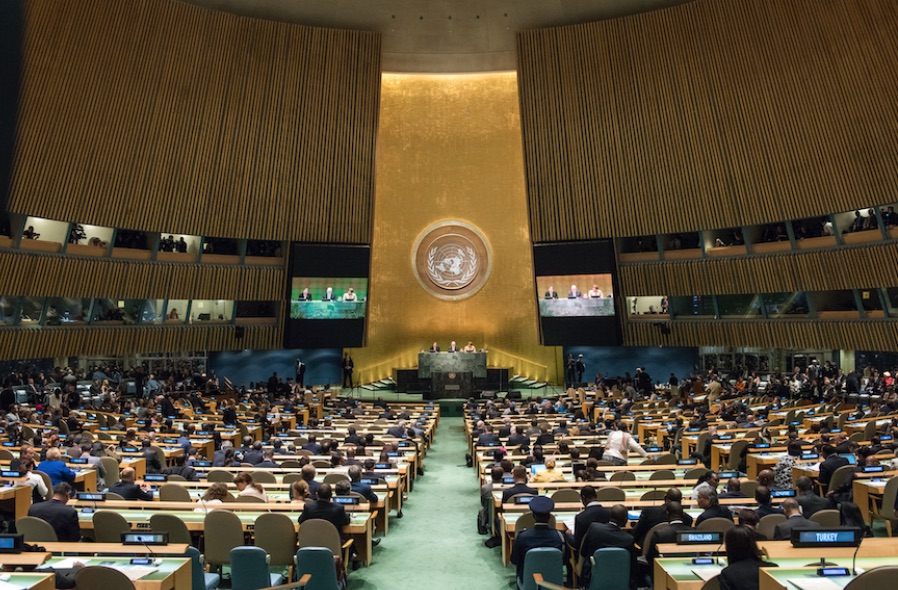
Yet history demonstrates that global crises often accelerate international cooperation. World wars, financial collapses, pandemics, cybersecurity threats, and humanitarian emergencies have repeatedly prompted nations to surrender limited authority to multinational organizations in pursuit of collective security.
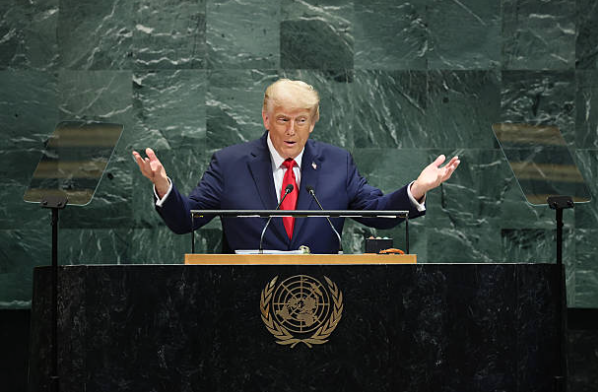
Many analysts believe future crises could further increase calls for coordinated global leadership, even if not a traditional world government.
👀 Watching the Signs Without Setting Dates
Christian theologians have long cautioned believers against identifying specific individuals as the Antichrist or declaring that prophecy has already been fulfilled.
Jesus Himself instructed His followers to remain spiritually alert while avoiding speculation concerning dates and times (Matthew 24:36).
Instead, many pastors encourage Christians to observe world events through the lens of Scripture, testing everything carefully while remaining faithful to the Gospel regardless of current events.
🛡️ A Time for Discernment
Whether viewed through the lens of politics or prophecy, the conversation surrounding centralized authority is unlikely to disappear.
Rapid technological advancement, expanding international cooperation, and growing economic integration continue shaping the modern world. While these developments do not prove biblical prophecy is unfolding before our eyes, they do illustrate why discussions surrounding Revelation, Daniel, and the future global economy continue to capture worldwide attention.
For believers, the challenge is not fear—but discernment. Scripture consistently calls Christians to remain watchful, faithful, and anchored in God’s Word while living with confidence in Christ’s ultimate victory.
🔑 Key Takeaways
✅ Global financial and technological integration continues to expand at a rapid pace.
✅ Digital identity systems and emerging payment technologies have renewed debate over centralized economic control.
✅ Revelation 13, Daniel 7, Daniel 9, and 2 Thessalonians 2 describe a future world leader and global system that many Christians associate with the end times.
✅ Political experts generally view a literal one-world government as unlikely in the near term due to competing national interests.
✅ Christians are encouraged to study Scripture carefully, remain discerning, and avoid speculative conclusions.
📚 Scriptures Referenced
📖 Daniel 7
📖 Daniel 9:27
📖 Matthew 24:36
📖 2 Thessalonians 2:3–12
📖 Revelation 13:16–17
🔎 Sources
📘 The Holy Bible (King James Version)
🏦 International Monetary Fund (IMF)
🌍 Bank for International Settlements (BIS)
💼 World Economic Forum (WEF) publications on digital transformation and global governance (referenced for contemporary policy discussions)