Did It Supply Water to the Biblical Temple?
CNIR | Christian News & Investigative Reports | Biblical Archaeology
JERUSALEM, ISRAEL — October 13, 2026
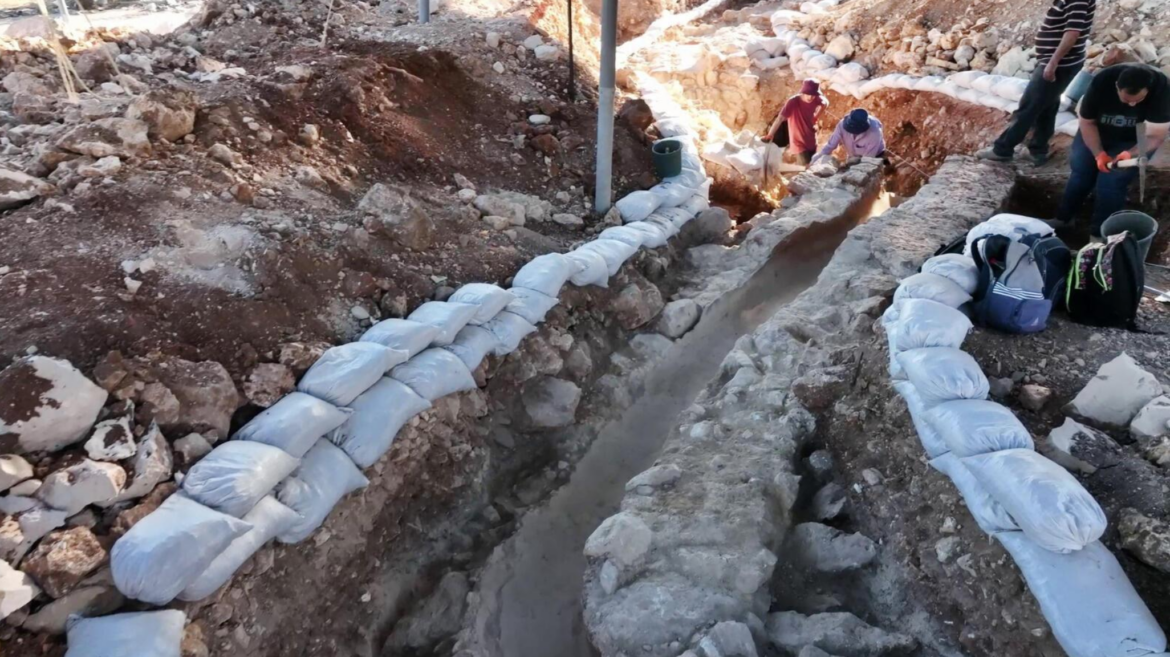
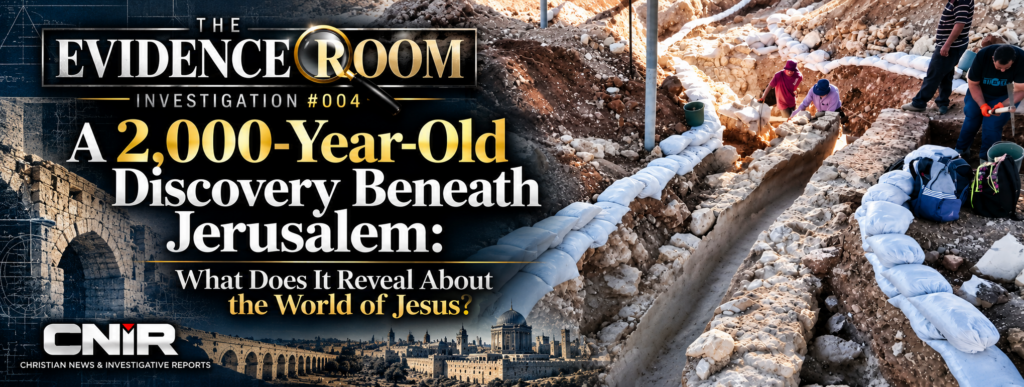
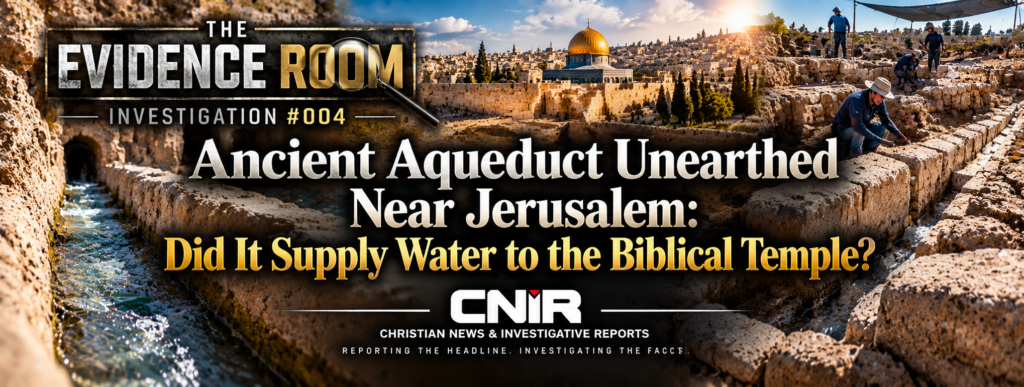
Israeli archaeologists have uncovered an approximately 2,000-year-old aqueduct that once transported water toward Jerusalem’s Temple Mount, revealing remarkable engineering achievements from the biblical Second Temple period.
The Israel Antiquities Authority announced October 11 that excavations south of Kibbutz Ramat Rachel exposed a 300-meter (984-foot) section of Jerusalem’s historic Lower Aqueduct.
Ancient Water System Connected to the Temple Mount
Researchers believe the aqueduct originated during the Hasmonean period, before the birth of Jesus Christ.
Stretching approximately 21 kilometers (13 miles), the waterway transported spring water from the Gush Etzion region through Solomon’s Pools, south of Bethlehem, toward Jerusalem.
Ancient engineers designed the channel to operate entirely through gravity, maintaining a gradual descent of approximately one meter per kilometer.
A Discovery Connected to Biblical History
The discovery provides historical context for Jerusalem during the Second Temple era, when Jewish pilgrims traveled to the city for religious festivals.
The New Testament records Jesus visiting Jerusalem and teaching in the Temple.
In John 7:37–38 (KJV), Jesus declared:
“If any man thirst, let him come unto me, and drink. He that believeth on me, as the scripture hath said, out of his belly shall flow rivers of living water.”
Although the passage concerns spiritual life rather than Jerusalem’s engineering infrastructure, the archaeological discovery illustrates the importance of water to the ancient city.
An Engineering Achievement Preserved for Generations
Excavation directors Dr. Benyamin Storchan and Gil Freid reported that the system remained in intermittent use until approximately a century ago.
Archaeologists also identified later modifications, including ceramic pipes installed during the Ottoman period.
Israeli authorities plan to preserve the newly uncovered section and incorporate it into the entrance of a future residential neighborhood.
THE EVIDENCE ROOM — INVESTIGATION #004: THE VERDICT
The discovery offers tangible evidence of the infrastructure that supported Jerusalem’s expanding population and religious activities.
While it does not independently establish specific New Testament events or prove that this section supplied the Temple building directly, the aqueduct provides another valuable connection to the historical environment of ancient Jerusalem.
Sources and verification
Israel Antiquities Authority — Official discovery announcement
Jewish Telegraphic Agency — October 11 report
The Jerusalem Post — Archaeological coverage
Disclaimer:
The information presented in this article is for informational and educational purposes only. Readers are advised to conduct thorough research before making any decisions.
Source: Christian News & Investigative Reports (CNIR) — cnirbc.com
Reporting the headline. Investigating the facts.