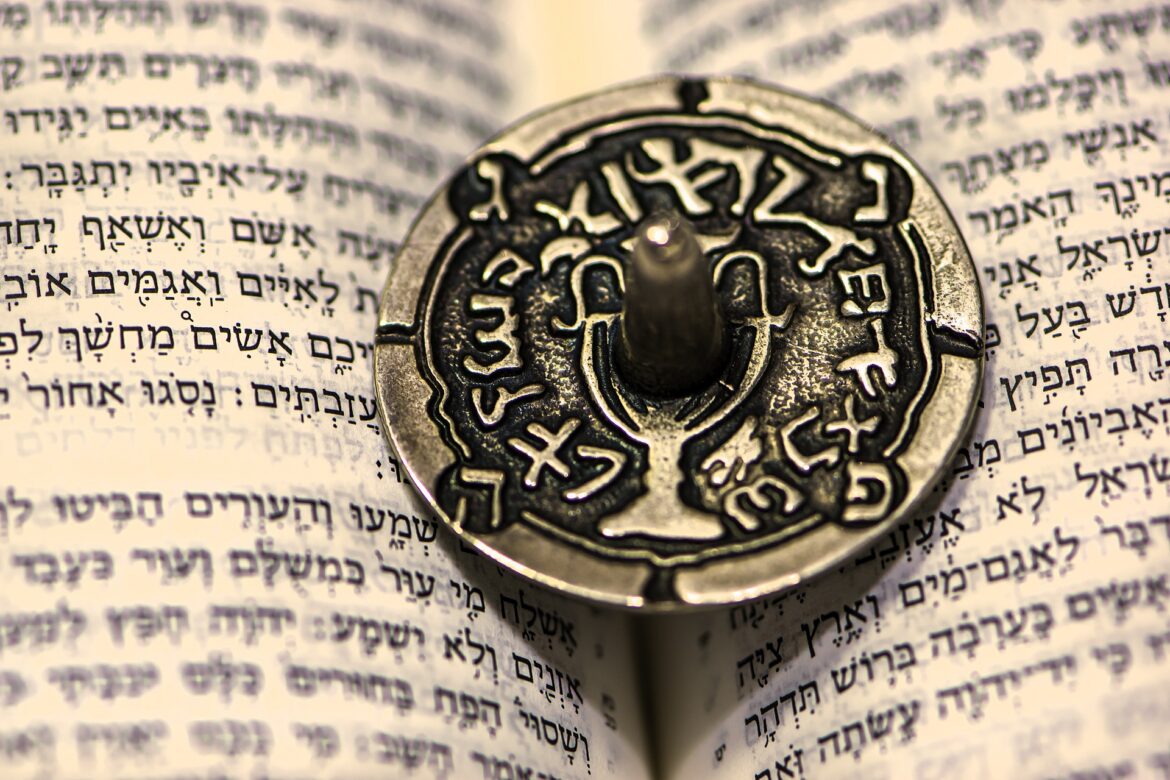
September 14, 2026 — Millions of Christians have read Jeremiah and 2 Kings without realizing that an event recorded in those books is still commemorated on the Jewish calendar today. On 3 Tishrei 5787, Jewish communities observe the Fast of Gedaliah, remembering an assassination that occurred during one of the darkest periods in biblical Jerusalem’s history. For Christians, the significance reaches beyond understanding a Jewish observance—it provides historical context for events preserved in the Old Testament and the aftermath of the destruction of Solomon’s Temple.
Who Was Gedaliah?
Following Babylon’s conquest of Jerusalem and destruction of the First Temple, Nebuchadnezzar appointed Gedaliah son of Ahikam to govern the people who remained in Judah. The account appears in 2 Kings 25 and Jeremiah 40–41.
Gedaliah established his administration at Mizpah and encouraged the remaining population to live peacefully under Babylonian authority.
But the fragile stability did not last.
According to Jeremiah 40, Gedaliah was warned that Ishmael son of Nethaniah was plotting to kill him. Gedaliah did not believe the accusation. Jeremiah 41 records that Ishmael and his men later came to Gedaliah at Mizpah, ate with him and then assassinated him.
The killing created another crisis among the people who had survived Jerusalem’s destruction.
Why Jewish Communities Still Remember Gedaliah
The Fast of Gedaliah, or Tzom Gedaliah, is observed as a Jewish fast day commemorating the tragedy. In 2026, the observance falls on Monday, September 14, corresponding to 3 Tishrei 5787.
The fast occurs immediately after Rosh Hashanah and during the period leading toward Yom Kippur.
While Christians are not commanded in the New Testament to observe the Fast of Gedaliah, understanding it can illuminate an important chapter of biblical history.
Why Should Christians Care?
For Christians, Gedaliah’s story is not simply an account from another religion. It is recorded in the Christian Old Testament.
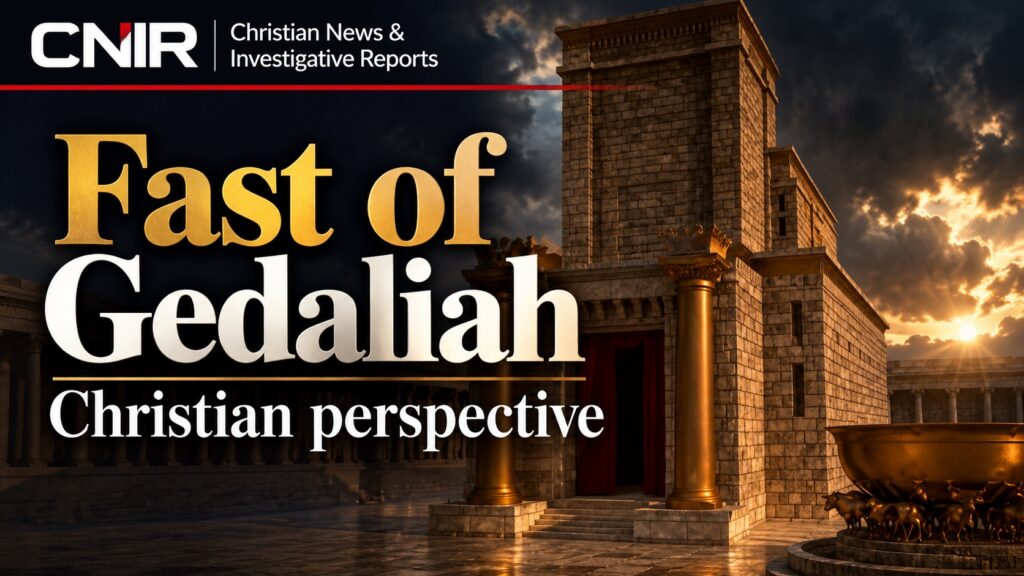
The assassination occurred against the backdrop of the Babylonian destruction of Jerusalem and Solomon’s Temple, placing the event within the larger biblical story of Israel, Jerusalem and God’s covenant dealings with His people.
The account also raises enduring themes familiar to Christian readers: leadership, discernment, obedience, political instability, judgment and the consequences of human decisions.
Understanding Jewish observances such as the Fast of Gedaliah can therefore help Christians better understand the historical world of Scripture.
From Solomon’s Temple to Jesus Christ
There is an important distinction, however.
Judaism and Christianity share much of this biblical history, but they ultimately interpret God’s redemptive plan differently. Christians believe that the Hebrew Scriptures ultimately point toward Jesus Christ as Israel’s promised Messiah.
Jesus Himself said:
“Salvation is of the Jews.” — John 4:22, KJV
Christianity therefore cannot be separated from Israel’s biblical history. Abraham, David, Jerusalem, Mount Moriah, Solomon’s Temple and the prophets all form part of the biblical foundation upon which the New Testament emerges.
For Christians, learning why Jewish communities remember Gedaliah is not about adopting a Jewish religious observance. It is about understanding the history behind the Bible Christians already believe.
On 3 Tishrei 5787, an ancient tragedy remembered by Jewish communities offers Christian readers an opportunity to reopen Jeremiah and 2 Kings—and discover that a date on today’s Hebrew calendar points directly back to events recorded in Scripture.
Disclaimer: The information presented in this article is for informational and educational purposes only. Readers are advised to conduct thorough research before making any investment decisions. Source: Christian News & Investigative Reports (CNIR) — cnirbc.com