JERUSALEM — Few locations on earth carry the religious and historical weight of Mount Moriah. Across thousands of years, one geographical location emerges repeatedly in the biblical record—from Abraham and Isaac to King David, Solomon’s Temple and, today, discussions surrounding a possible Third Temple.
The connection is more than coincidence within the biblical narrative. Scripture itself provides a remarkable chain linking these events.
Abraham and the Land of Moriah
The story begins in Genesis 22, when God commanded Abraham to take Isaac into the “land of Moriah” and offer him upon a mountain God would identify. Abraham obeyed, but before Isaac was sacrificed, God intervened and provided a ram.
For Christians, the account has also long carried theological significance as a picture of sacrifice, faith and divine provision.
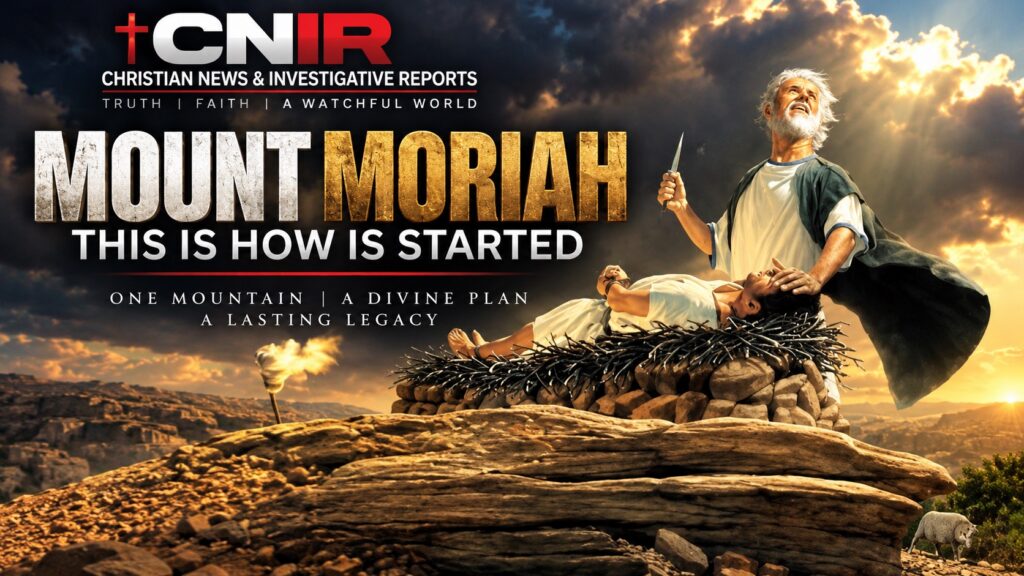
Yet Genesis refers to the broader land of Moriah rather than explicitly identifying the location as the later Temple Mount. The direct biblical connection becomes clearer centuries later.
David’s Census Leads to a Sacred Location
Another critical event occurred during the reign of King David.
According to 2 Samuel 24 and 1 Chronicles 21, David ordered a census of Israel and later acknowledged that he had sinned. Following divine judgment, David was instructed to erect an altar on the threshing floor belonging to Araunah—called Ornan in Chronicles—the Jebusite.
David purchased the site rather than accepting it without payment and built an altar there.
What happened next established the location’s importance for Israel’s future.
Solomon Builds the Temple on Mount Moriah
Second Chronicles 3:1 provides the decisive geographical link. The passage states that Solomon began constructing the house of the Lord “at Jerusalem in mount Moriah” at the place David had prepared on the threshing floor of Ornan the Jebusite.
The biblical sequence therefore becomes striking:
Moriah → Abraham → David’s altar → Solomon’s Temple.
Under Solomon, the location became the center of Israel’s Temple worship.
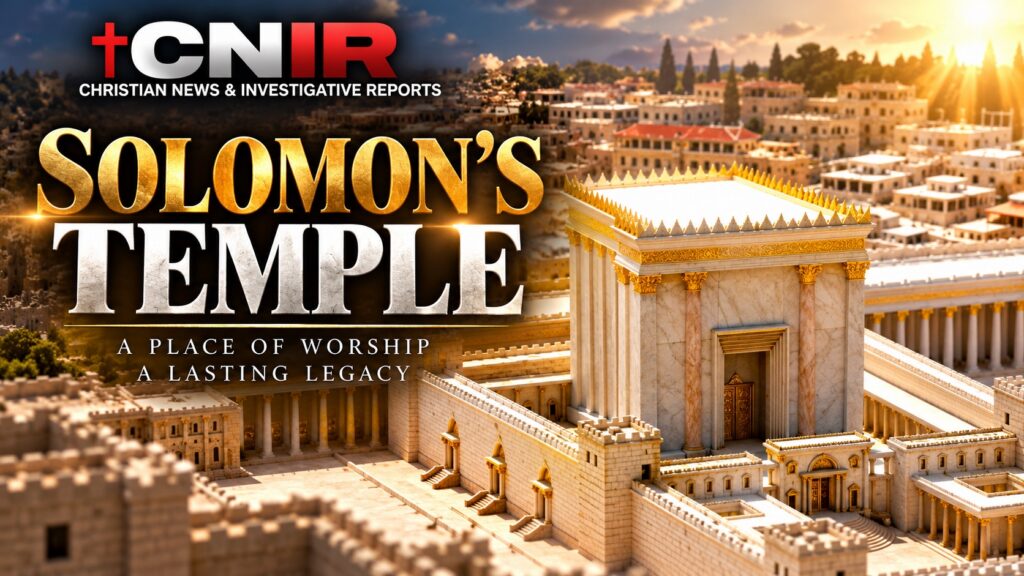
The First Temple was eventually destroyed by the Babylonians. A Second Temple was later constructed and subsequently expanded on a monumental scale under Herod the Great before Roman forces destroyed it in A.D. 70.
The Dome of the Rock Changes the Landscape
Centuries after the destruction of the Second Temple, the religious landscape of the site changed dramatically.
The Dome of the Rock, the famous gold-domed Islamic shrine, was constructed on the elevated sanctuary known to Jews as the Temple Mount and to Muslims as al-Haram al-Sharif.
Its presence makes the Temple Mount one of the world’s most religiously sensitive locations. The site is sacred within Judaism and Islam, while its biblical history also gives it enormous significance for Christianity.
The Dome of the Rock should not be confused with the Al-Aqsa Mosque; they are separate structures within the same larger sacred compound.
The Temple Institute Is Preparing for Another Temple
This is where ancient history intersects with the present.
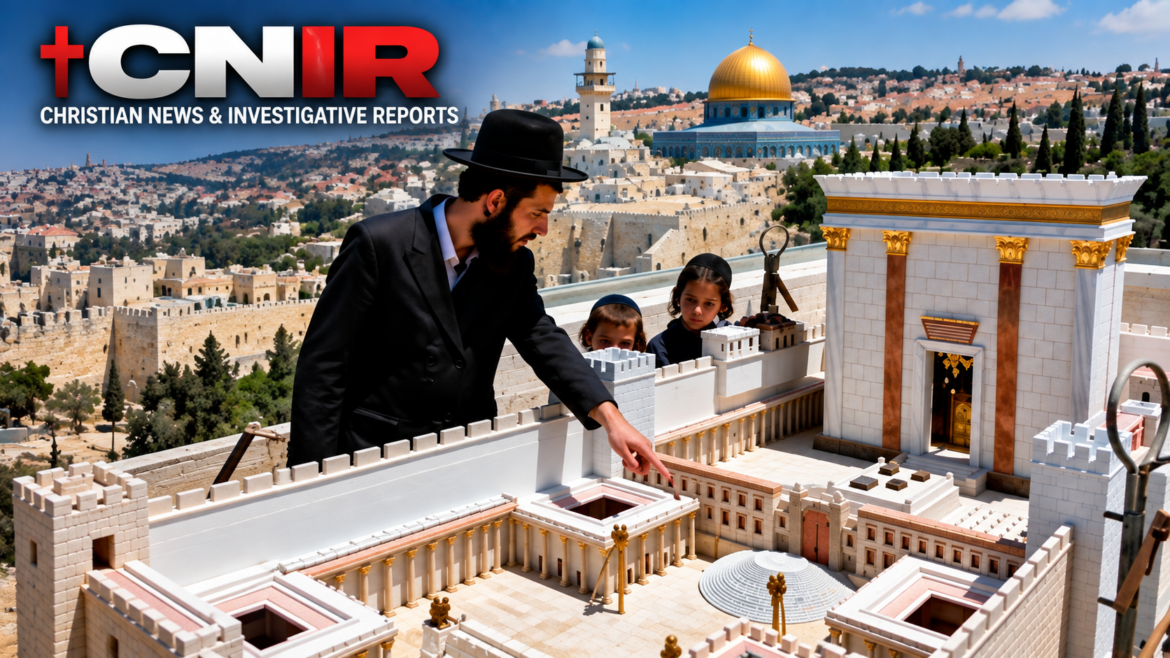
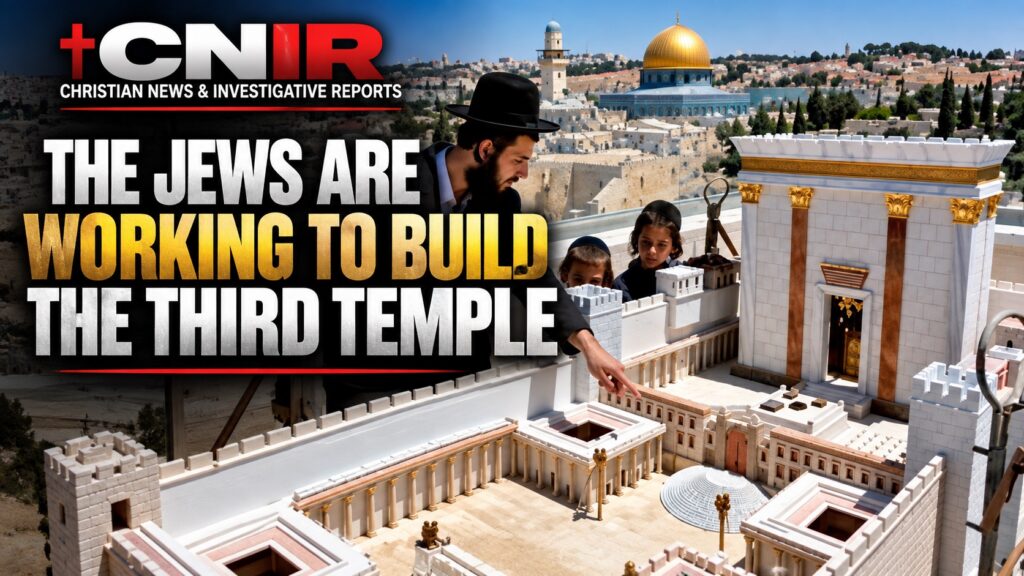
Jerusalem’s Temple Institute openly declares that its ultimate objective is to see Israel rebuild the Holy Temple on Mount Moriah. The organization, founded in 1987, says its work includes research, education and practical preparations associated with renewed Temple worship.
These preparations are not merely conceptual.
The Institute reports that it has reconstructed sacred vessels and priestly garments, conducted research concerning the Temple Mount and developed a working architectural plan for a future Temple using modern construction standards. It also continues work related to red-heifer candidates, whose ashes are associated in Numbers 19 with ritual purification.
The organization even maintains a designated fund for preparations toward rebuilding the Holy Temple, although it says those funds are held until circumstances allow such preparations to be implemented.
None of this means construction of a Third Temple has begun or that the Israeli government has authorized one. The Temple Institute is a religious organization pursuing that objective—not the State of Israel announcing a Temple construction project.
That distinction is essential.
Why Christians Are Watching
For many evangelical Christians, the prospect of another Jewish Temple carries substantial prophetic significance.
Passages including Daniel 9:27, Matthew 24:15, 2 Thessalonians 2:3–4 and Revelation 11:1–2 are frequently interpreted by futurist Bible scholars as pointing toward a functioning sanctuary or Temple during events associated with the end times.
Other Christian traditions interpret these passages differently, meaning the construction of a literal Third Temple before Christ’s return remains an issue of theological interpretation rather than an explicitly dated biblical prediction.
Nevertheless, the historical chain surrounding Mount Moriah is extraordinary.
Abraham journeyed into the land of Moriah.
David purchased the threshing floor.
Solomon constructed the Temple there.
The Temple was destroyed and eventually replaced by a Second Temple.
That Temple was destroyed.
Centuries later, the Dome of the Rock rose within the Temple Mount compound.
And today, an organization in Jerusalem openly says it is preparing for the rebuilding of the Holy Temple on Mount Moriah.
Thousands of years separate these events.
The location remains at the center of the story.
For students of biblical history and prophecy, that leaves one consequential question still unanswered:
Will Mount Moriah become the site of a Jewish Temple once again?
Sources
The Bible: Genesis 22; 2 Samuel 24; 1 Chronicles 21; 2 Chronicles 3:1; Daniel 9:27; Matthew 24:15; 2 Thessalonians 2:3–4; Revelation 11:1–2.
Temple Institute: Official statements concerning its mission, Temple preparations, sacred vessels, architectural research and rebuilding fund.
Bible Gateway: 2 Chronicles 3:1 and the biblical identification of Solomon’s Temple with Mount Moriah and David’s threshing-floor site.
Disclaimer: The information presented in this article is for informational and educational purposes only. Readers are advised to conduct thorough research before making any investment decisions. Source: Christian News & Investigative Reports (CNIR) — cnirbc.com